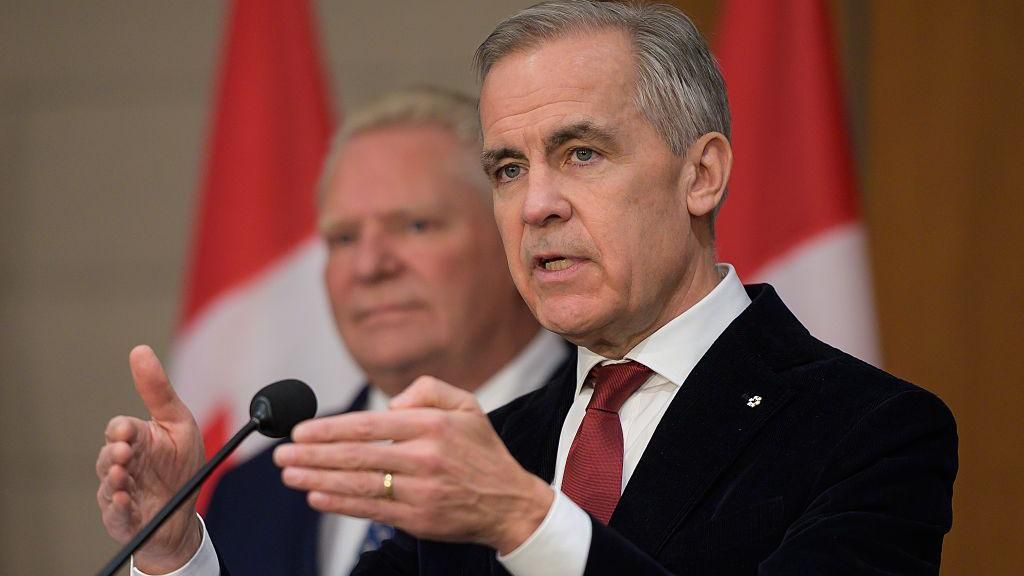
Prime Minister Mark Carney has publicly dismissed concerns regarding Canada’s oil industry competitiveness following the U.S. military operation that captured Venezuelan leader Nicolás Maduro. Speaking at a press briefing in Paris, Carney emphasized that Canadian oil possesses distinct advantages being “low risk, low cost, and low carbon” compared to other global producers.
The Prime Minister welcomed Maduro’s seizure, stating it “creates the possibility for democratic transition in Venezuela” while maintaining that increased Venezuelan production would not negatively impact Canada’s energy sector. This statement comes amid market anxieties after Canadian energy company stocks dipped Monday morning following Trump’s comments about expanding U.S. oil operations in Venezuela.
President Trump told NBC News that he believes American petroleum companies could significantly ramp up Venezuelan operations within 18 months, noting that “having a Venezuela that’s an oil producer is good for the United States because it keeps the oil prices down.”
Canada currently directs approximately 97% of its oil exports—valued at $100 billion in 2023—to the United States. This dependency has raised concerns about Canada’s negotiating position in ongoing trade discussions with the Trump administration.
The Carney government is pursuing export diversification strategies, particularly through a proposed pipeline to the Pacific coast that would enable increased shipments to Asian markets. In late November, Ottawa signed a memorandum of understanding with Alberta, home to Canada’s oil industry, to advance such projects. However, the initiative faces significant obstacles including opposition from British Columbia and First Nations groups.
Conservative opposition leader Pierre Poilievre has urged the government to “immediately approve” Pacific pipeline projects, emphasizing the need to “move millions of barrels daily to overseas markets quickly to reduce our dependence on the U.S. market.”
Trade negotiations between Canada and the U.S. have been stalled since late last year following an anti-tariff advertisement funded by Ontario that angered President Trump. Prior to this disruption, both governments were discussing an agreement that would include increased Canadian energy exports to the United States.