The transatlantic partnership underwent a profound transformation throughout 2025 as Donald Trump’s return to the White House accelerated a dramatic shift toward transactional diplomacy, testing the resilience of the seven-decade-old Western alliance. European leaders who believed themselves prepared for Trump’s unconventional approach found themselves confronting unprecedented challenges to the very foundation of transatlantic relations.
The administration’s “America First” doctrine manifested most visibly through aggressive trade policies that left European economies reeling. In a sweeping protectionist move, the Trump administration imposed blanket tariffs of 20% on all EU member states while levying even higher rates against other European nations. This economic offensive culminated in what European officials described as a lopsided trade agreement forced upon the EU after months of tense negotiations.
Beyond economic confrontation, the relationship deterioration reached strategic dimensions with the December release of the US National Security Strategy document. The 33-page paper employed unusually harsh language toward traditional allies, criticizing EU regulatory frameworks, migration policies, and even accusing European governments of suppressing political opposition. Most strikingly, the document outlined a policy of cultivating resistance to Europe’s current trajectory within European nations themselves.
The strategy further demanded a fundamental restructuring of defense responsibilities, insisting European states assume primary responsibility for their own security, dramatically increase defense spending, and abandon expectations of NATO expansion. This represented a radical departure from seven decades of US foreign policy consensus.
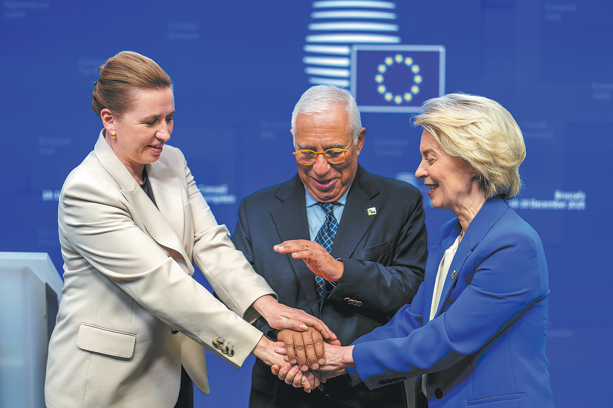
European Council President Antonio Costa captured the continent’s dismay when he noted that while the strategy still referred to Europe as an ally, “allies do not threaten to interfere in the democratic life or the domestic political choices of these allies.” The assessment echoed throughout European capitals, where leaders grappled with the realization that the post-World War II alliance architecture had entered a fundamentally new phase.
The cumulative effect of these developments has forced European nations to confront difficult questions about strategic autonomy, economic sovereignty, and the future of Western solidarity in an increasingly fragmented international landscape.