At just 24 years old, Muhammad Anas Ali has emerged as a transformative figure in the educational technology sector, challenging conventional academic pathways through his innovative platform, Wealth University. This digital initiative provides completely free access to high-value financial and business education, focusing on practical skills including e-commerce, digital marketing, and trading strategies.
Wealth University has demonstrated remarkable global reach, attracting over 200,000 learners worldwide who prioritize skill acquisition and practical implementation over traditional credentials. The platform has evolved into a comprehensive digital ecosystem emphasizing accountability, peer-supported learning, and measurable outcomes—addressing a critical gap in accessible financial education.
Anas’s entrepreneurial journey began with limited resources and considerable skepticism regarding his non-profit educational model. Despite these challenges, he has developed a sustainable framework that emphasizes long-term impact rather than short-term gains. Beyond platform development, Anas actively mentors emerging entrepreneurs, discussing realistic challenges in business development and scaling.
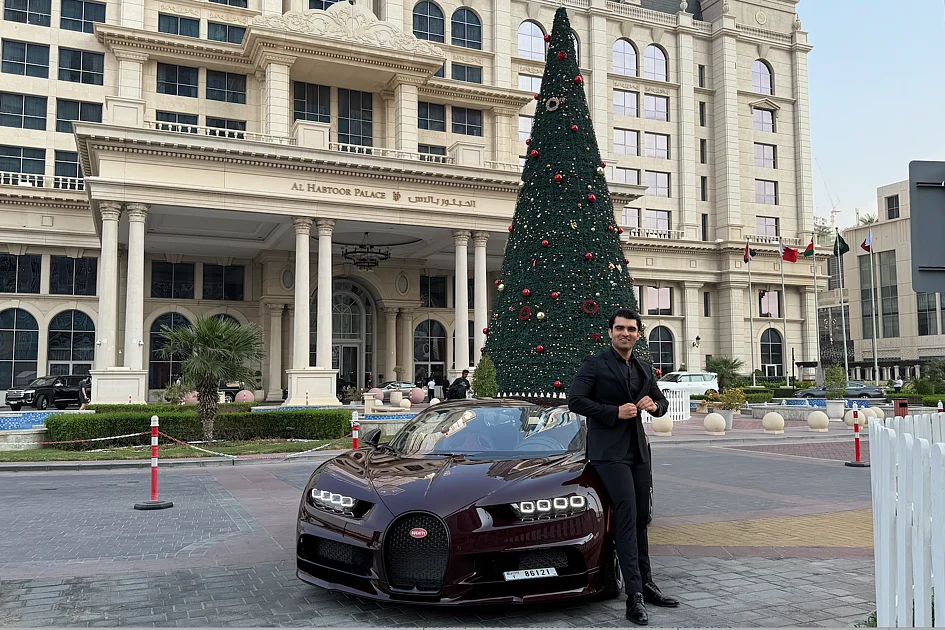
His personal achievements have garnered significant attention, including his status as one of the world’s youngest owners of luxury performance vehicles like the Bugatti Chiron. Anas frames these accomplishments not as status symbols but as tangible results of disciplined execution and unconventional career choices.
Future expansion plans include scaling Wealth University to reach one million students globally, establishing physical learning centers in underserved regions, launching investment initiatives for disadvantaged founders, and publishing a comprehensive guide to financial independence based on his methodologies.
This initiative reflects broader shifts in educational accessibility, demonstrating how digital platforms can create equitable learning opportunities outside traditional institutions and reshape economic mobility for future generations.