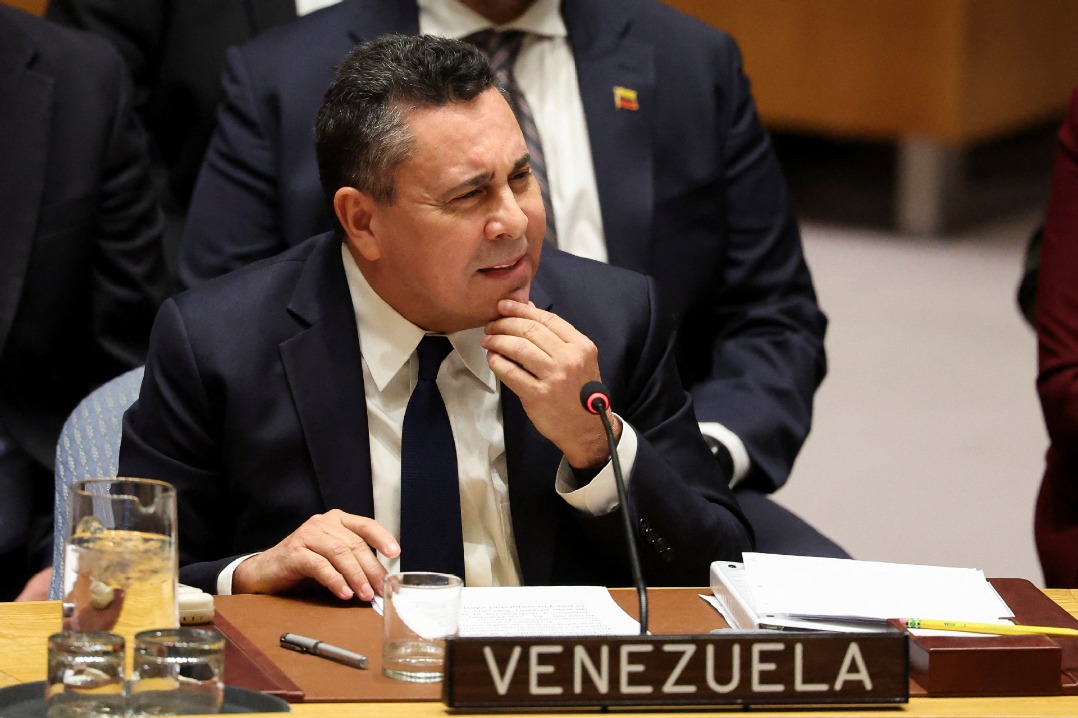
Venezuela has formally requested urgent intervention from the United Nations Security Council following what it characterizes as unlawful military strikes by the United States and the forcible extraction of President Nicolás Maduro and First Lady Cilia Flores. The extraordinary diplomatic confrontation unfolded during an emergency session at UN headquarters in New York on Monday.
Ambassador Samuel Moncada, Venezuela’s permanent representative to the UN, presented a comprehensive condemnation of Washington’s actions over the weekend, describing them as a flagrant violation of international law and the UN Charter. The ambassador articulated three primary demands: the immediate release and safe repatriation of President Maduro and his spouse with full respect for their diplomatic immunities; an unambiguous Security Council condemnation of the use of force against Venezuela; and the reaffirmation of the principle prohibiting territorial acquisition through military means.
Moncada framed the situation as extending beyond bilateral tensions, warning that tolerance of such actions would establish a dangerous precedent undermining global security architecture. “When force is used to control resources, impose governments, or redesign states, we are faced with a logic that harks back to the worst practices of colonialism,” he stated during his address to the fifteen-member council.
The Venezuelan diplomat further asserted that the military operation constituted multiple violations of fundamental international principles, including the sovereign equality of states, the prohibition against territorial aggression, and the obligation to resolve disputes through peaceful means. He additionally cited breaches of the Geneva Conventions and their Additional Protocols governing armed conflict.
Characterizing the situation as a critical test for multilateralism, Moncada cautioned that failure to respond adequately would signal that “law is optional, and that force is the true arbiter of international relations.” The emergency session represents one of the most significant confrontations between a Latin American nation and a permanent Security Council member in recent history, with potential implications for international norms regarding state sovereignty and great power conduct.