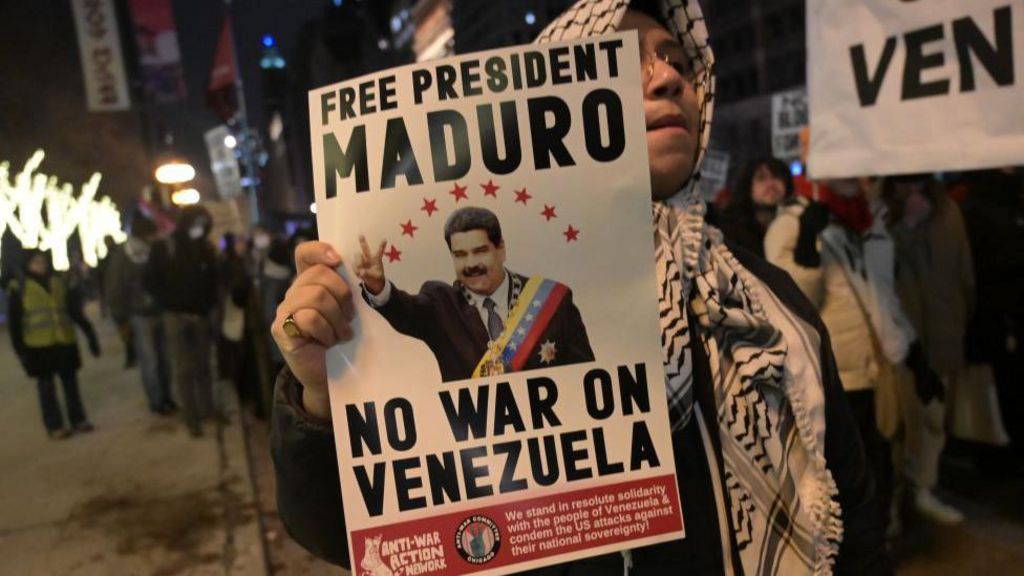
In an unprecedented escalation of international legal confrontation, Venezuelan President Nicolás Maduro appeared before a Manhattan federal court Monday following a clandestine extraction operation conducted by US authorities. The controversial transfer, which involved military aircraft and overnight detention at Brooklyn’s Metropolitan Detention Center, marks the first time a sitting head of state has been forcibly brought to the United States to face criminal prosecution.
The judicial proceedings stem from a superseding indictment alleging Maduro’s orchestration of “narco-terrorism” operations involving thousands of metric tons of cocaine destined for American markets. Attorney General Pam Bondi characterized the operation as a lawful enforcement action against drug trafficking networks that “have fuelled violence, destabilised the region, and contributed directly to the drug crisis claiming American lives.”
Legal scholars worldwide are questioning the operation’s conformity with international law. Queen’s University Belfast Professor Luke Moffett declared the military extraction “completely illegal under international law,” citing violations of the UN Charter’s prohibition against using force against sovereign states. The operation notably lacked UN Security Council authorization and did not meet imminent threat requirements for self-defense justification.
Historical precedent exists in the 1989 capture of Panamanian leader Manuel Noriega, whose prosecution relied on a controversial legal memo authored by then-Justice Department official William Barr – who later served as Trump’s attorney general and initiated the 2020 indictment against Maduro. Current debates center on whether US courts can exercise jurisdiction regardless of extraction methods, with legal experts noting that forced abduction traditionally doesn’t invalidate prosecution.
The Trump administration defended its actions through Secretary of State Marco Rubio, who framed the operation as “basically a law enforcement function” rather than military action. This distinction attempts to circumvent War Powers Resolution requirements for congressional consultation, though the administration acknowledged deliberately avoiding congressional notification to prevent “endangering the mission.”
Maduro entered a plea of not guilty while his legal team prepared challenges to the extraction’s legality. The case represents a dramatic intersection of international relations, criminal law, and presidential war powers that may establish consequential precedents for cross-border enforcement actions against foreign leaders.