In an unprecedented military escalation, United States forces have executed a large-scale strike on Venezuelan territory resulting in the capture and extraction of President Nicolas Maduro and First Lady Cilia Flores. The operation, conducted on Saturday, marks a dramatic turning point in the ongoing political confrontation between the two nations.
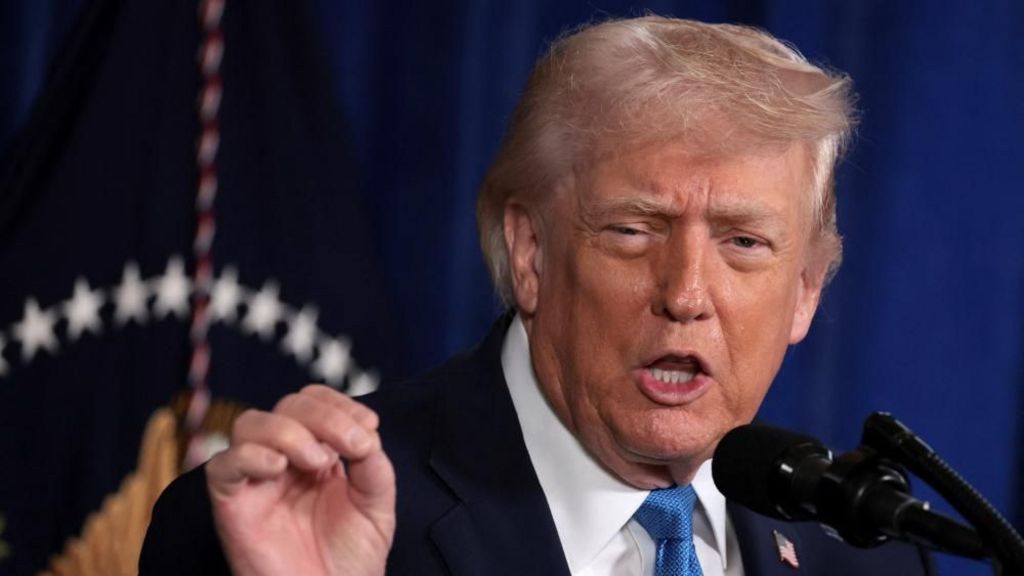
President Donald Trump announced that the United States would assume control of Venezuela’s governance until what he described as a “safe, proper and judicious transition” could be guaranteed. Trump specifically highlighted plans for American oil corporations to rehabilitate Venezuela’s deteriorated petroleum infrastructure, stating that these companies would “start making money for the country” through substantial multi-billion dollar investments.
The legal foundation for the intervention stems from indictments issued by the Southern District of New York, charging Maduro and his wife with narcotics and weapons offenses. U.S. Attorney General Pam Bondi declared that both would face justice within American judicial institutions, though specific trial details remain undisclosed.
Venezuela has responded by declaring a nationwide state of emergency and condemning the military incursion as unlawful aggression. Vice President Delcy Rodríguez, despite Trump’s claims of her cooperation, appeared on state television to affirm Maduro as Venezuela’s sole legitimate leader and pledge governmental resistance.
The geopolitical context reveals deeper complexities: Venezuela possesses approximately 303 billion barrels of crude oil reserves, representing roughly 20% of global petroleum resources according to U.S. Energy Information Administration data. The Trump administration has framed its Caribbean military operations as counter-narcotics initiatives, conducting over 30 strikes since September against alleged drug trafficking vessels, though independent verification of these claims remains unavailable.
International observers note that while Venezuela serves as a transit route for narcotics, counter-narcotics experts consistently rank it as a minor participant in global drug trafficking networks. The current crisis represents the most severe escalation in hemispheric relations in recent decades, with uncertain implications for regional stability and international law.