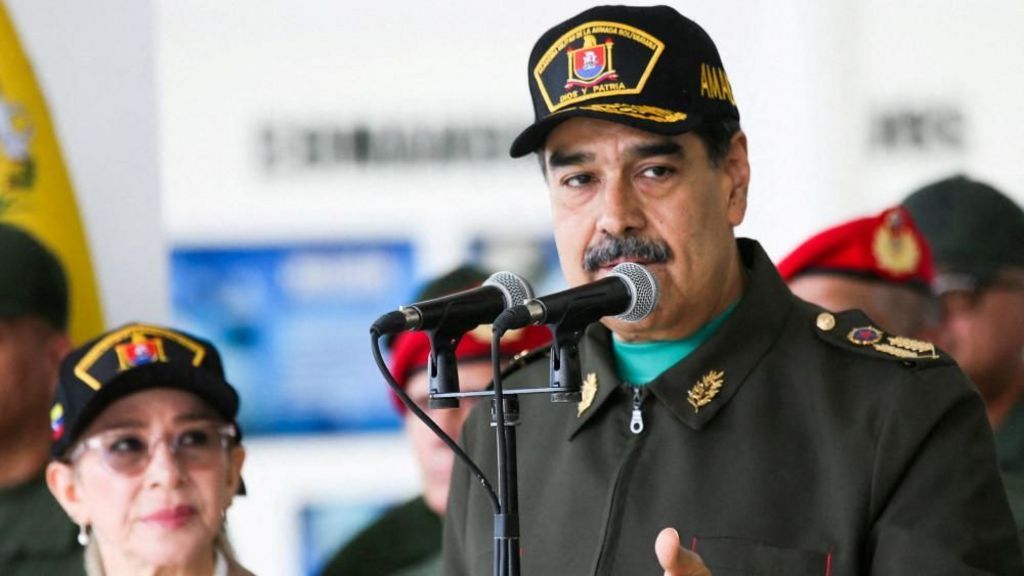
Venezuelan President Nicolás Maduro has publicly extended an olive branch to the United States, expressing willingness to engage in comprehensive talks concerning drug trafficking and oil policies. This unexpected diplomatic overture follows a sustained period of escalating pressure from the Trump administration, including military operations and economic sanctions against Maduro’s government.
During an interview with Venezuelan state television on Thursday, Maduro declared his readiness for dialogue with American officials “wherever they want and whenever they want.” This conciliatory stance emerges against a backdrop of heightened military activity in the Caribbean region, where U.S. forces have conducted over thirty maritime strikes against vessels suspected of narcotics smuggling over the past three months.
The Trump administration’s intensified counternarcotics campaign has reportedly resulted in more than 110 casualties since operations commenced on September 2. Recent incidents include Wednesday’s strike on two alleged drug boats that killed five individuals, and an earlier attack on a Venezuelan docking facility that President Trump described as causing a “major explosion.” Multiple intelligence sources indicate this dock strike represented the first known CIA operation within Venezuelan territory.
Despite these provocations, Maduro maintained an evasive posture regarding confirmation of the dock attack, suggesting the matter “could be something we talk about in a few days.” The Venezuelan leader has consistently denied U.S. allegations labeling him a cartel leader and has characterized American anti-drug operations as pretexts for regime change and control over Venezuela’s substantial oil reserves.
The geopolitical tension is further complicated by migration concerns and economic warfare. The U.S. has recently intensified enforcement against Venezuelan oil shipments, seizing multiple tankers allegedly transporting sanctioned petroleum. Venezuela has condemned these actions as “international piracy.”
International experts note that Venezuela serves primarily as a transit country rather than a major producer in the global drug trade, with neighboring Colombia remaining the world’s largest cocaine source. The legal justification for U.S. military operations remains contested by specialists in international law, who question the classification of these actions within existing armed conflict frameworks.