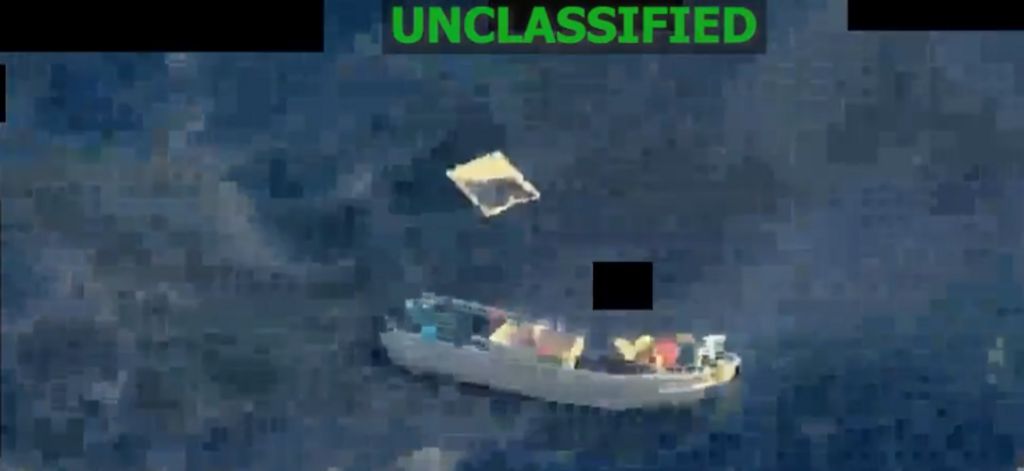
The US Southern Command has confirmed a new series of lethal maritime engagements as part of its intensified counter-narcotics operations. On Wednesday, US forces conducted strikes on two vessels allegedly involved in drug trafficking, resulting in the deaths of five individuals aboard. This action follows another targeted operation just one day prior, where US military assets engaged what they described as a three-vessel narco-trafficking convoy, killing at least three people.
These recent strikes represent the latest escalation in a controversial campaign that began on September 2nd, with over thirty vessels targeted and more than 110 fatalities recorded to date. The operations extend across international waters in the Caribbean and eastern Pacific regions, areas known for narcotics smuggling routes.
The Trump administration has framed these operations as part of a non-international armed conflict against drug traffickers. However, this characterization has drawn scrutiny from legal experts who question its compliance with international laws governing armed conflict. Particularly controversial is the emergence of ‘double-tap’ strike patterns, where targets are engaged multiple times in quick succession.
The initial September attack has come under particular congressional scrutiny after revelations that US forces struck the same vessel twice. Two survivors who had been clinging to the hull following the first strike were killed in the second engagement, raising concerns about potential violations of rules of engagement.
In its most recent statement regarding the December 30th convoy engagement, US Southern Command reported that several individuals abandoned their vessels before subsequent engagements sank the boats. The command stated that the US Coast Guard was immediately notified to search for survivors, with Reuters reporting an anonymous US official confirming eight individuals were being sought. The current status of these survivors remains unknown.
The military justification for these strikes rests on intelligence claims that targeted vessels were transiting known narco-trafficking routes and engaged in illegal activities, though concrete evidence of drug cargo has not been publicly provided despite repeated insistences from Southern Command.