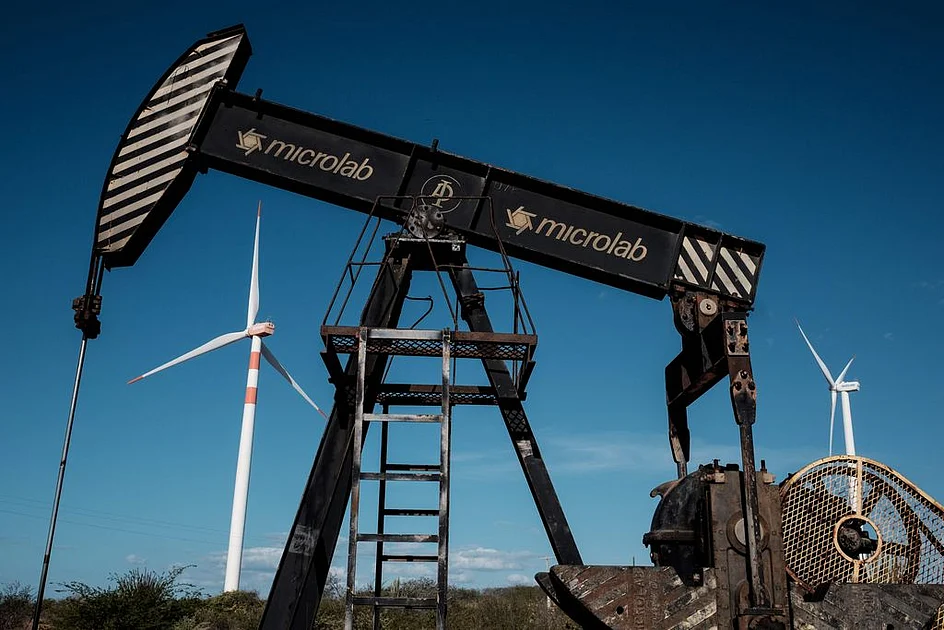
Global crude benchmarks concluded 2025 with their most significant annual depreciation since 2020, cementing a third consecutive year of losses amid complex market dynamics. Brent crude futures registered a pronounced 17% annual decline while U.S. West Texas Intermediate crude witnessed a nearly 19% drop, marking the longest sustained downward trend in history.
The year’s substantial price erosion stemmed from a confluence of factors including OPEC+ accelerated production increases, persistent concerns regarding global economic vitality under tariff pressures, and surprisingly resilient U.S. shale output. Despite geopolitical tensions that initially propelled prices upward—including strengthened sanctions on Russia, Iran-Israel conflicts disrupting Hormuz Strait shipping, and Yemen-related regional tensions—these supply threats ultimately proved insufficient to counterbalance burgeoning inventories.
Market structure analysis reveals particular weakness in refined products. Recent Energy Information Administration data showed U.S. crude stocks drawing by 1.9 million barrels, yet this was overshadowed by substantial builds in distillates (5 million barrels) and gasoline (5.8 million barrels), significantly exceeding analyst projections.
Looking toward 2026, analytical projections remain cautious. BNP Paribas commodities analyst Jason Ying anticipates Brent potentially dipping to $55/barrel in first-quarter 2026 before stabilizing around $60 as supply growth normalizes against flat demand trajectories. This bearish near-term outlook reflects the increased price insulation of U.S. shale producers who secured advantageous hedging positions.
The OPEC+ alliance, having injected approximately 2.9 million barrels daily into markets since April 2025, has announced a production pause for 2026’s first quarter. With the cartel’s next meeting scheduled for January 4, market participants await signals regarding potential supply adjustments should prices deteriorate further into the $50s range.
Despite overwhelming fundamental indicators suggesting sustained oversupply through 2026, some analysts caution against discounting geopolitical variables, particularly noting the unpredictable influence of U.S. foreign policy under the Trump administration regarding Venezuela, Iran, and broader global trade relationships.