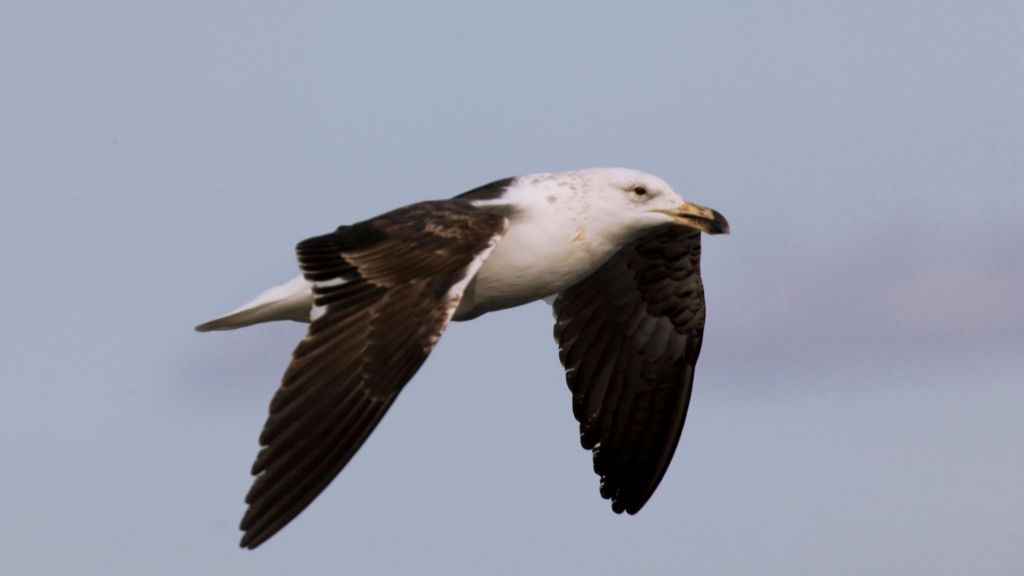
In the vast expanse of the Atlantic Ocean, approximately 27 nautical miles from South Africa’s Cape Point, a specialized tour vessel operated by Cape Town Pelagics navigates toward fishing trawlers. This unconventional destination provides birdwatchers with rare sightings of endangered seabirds, including the majestic black-browed albatross, which congregate around fishing operations in astonishing numbers.
The birds have developed an opportunistic relationship with commercial fishing vessels, trailing behind them to feast on discarded fish heads and guts thrown overboard during catch processing. While this behavior provides immediate sustenance, it places these magnificent seabirds in grave danger through accidental bycatch—a critical threat driving several albatross species toward extinction.
British conservationist Tim Appleton explains the deadly mechanics: ‘They get caught on what they call long lines—commercial fishing lines that can extend 100 kilometers with 4,000 baited hooks. Birds attempting to snatch the bait become hooked, dragged underwater, and drowned.’ Additionally, birds become entangled in cable lines pulling nets toward vessels.
Andrea Angel of BirdLife South Africa’s Albatross Task Force reveals the alarming statistics: ‘Of the 22 global albatross species, 15 face direct threat from fishing activities. These birds spend most of their lives at sea, exclusively feeding on squid and fish, making fishing vessel encounters inevitable.’ Their reproductive biology exacerbates the crisis—albatrosses mate for life, produce a single egg biennially, and both parents must participate in chick-rearing. The loss of one parent guarantees the chick’s death and disrupts the breeding cycle for years.
An innovative solution has emerged through bird scaring lines—essentially nautical scarecrows featuring colorful plastic streamers that flutter above fishing gear, deterring birds from dangerous proximity. BirdLife South Africa has partnered with the Ocean View Association for Persons with Disabilities, training members to manufacture these life-saving devices.
Deborah Gonsalves, manager of the association, notes the profound impact: ‘This collaboration enables our members to maintain productivity and self-worth while supplementing disability grants.’ The program represents a rare convergence of conservation, social empowerment, and economic incentive.
Fisheries themselves benefit economically from implementing these measures, as Andrea Angel explains: ‘Fishermen would rather catch a $10,000 tuna than a worthless bird.’ Since the Albatross Task Force’s establishment in 2004, southern African fisheries have achieved a remarkable 90% reduction in seabird bycatch—a conservation success story offering hope for global replication.