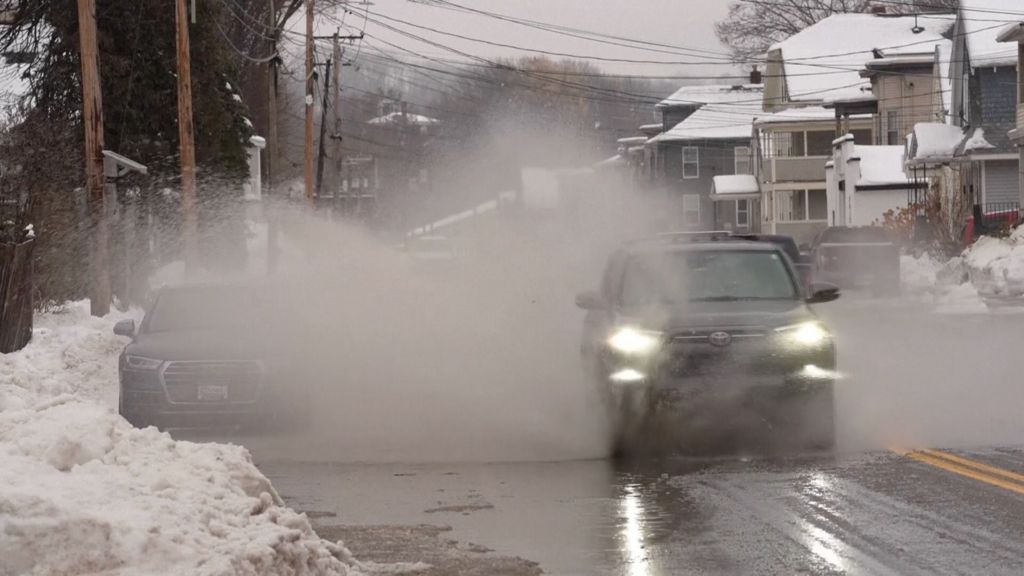
A formidable bomb cyclone, characterized by its rapid intensification, has unleashed severe winter weather across significant portions of the United States. The powerful meteorological event delivered blizzard-like conditions, combining heavy snowfall with strong, gusting winds, primarily impacting regions in the Midwest and stretching to the Eastern Seaboard.
The immediate consequences of the storm system have been substantial, with transportation networks experiencing significant disruptions. Numerous flight cancellations and delays were reported at major airports within the storm’s path, while highway travel became hazardous or impossible in the hardest-hit areas due to whiteout conditions and rapidly accumulating snow. Local authorities issued travel advisories, urging residents to avoid unnecessary journeys to ensure public safety and allow emergency and road crews to perform their duties effectively.
This type of extreme weather event, known for a sharp drop in atmospheric pressure, typically results in widespread and severe impacts. Beyond travel, the storm threatens power outages from downed lines and poses serious risks to individuals without adequate shelter. The event underscores the continuing pattern of intense and disruptive winter storms affecting the continent, highlighting challenges for infrastructure and emergency preparedness in the face of such powerful natural forces.