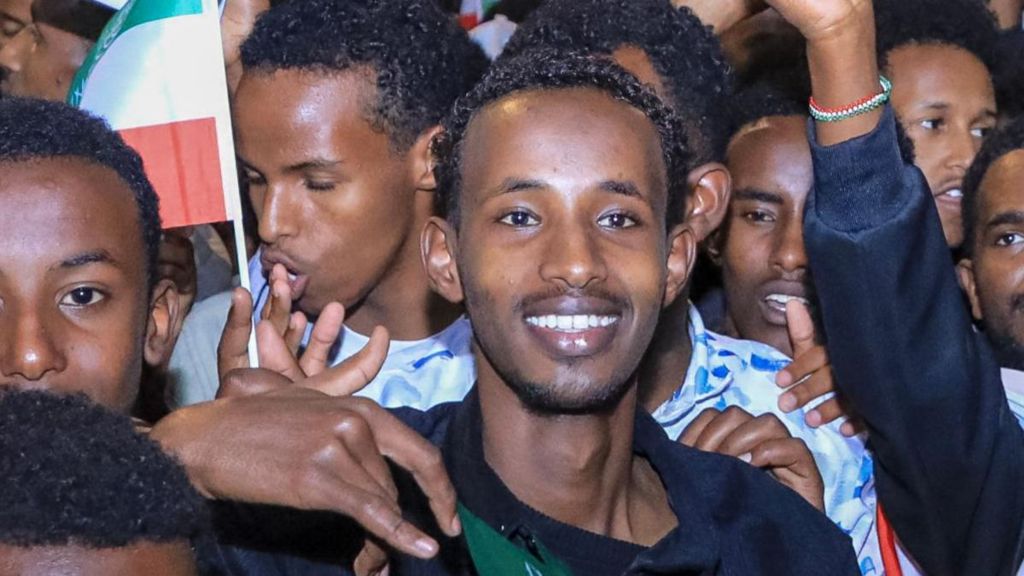
In a groundbreaking diplomatic move that has sent shockwaves through international relations, Israel has become the first nation to officially recognize the breakaway territory of Somaliland as an independent sovereign state. This controversial decision, announced on Friday, has triggered widespread condemnation from numerous countries and international organizations while being hailed by Somaliland’s leadership as a historic milestone.
The recognition follows more than three decades of Somaliland’s de facto independence from Somalia, declared in 1991 following the overthrow of military dictator Siad Barre. Despite maintaining its own government institutions, currency, and security forces, the semi-desert territory along the Gulf of Aden has remained internationally unrecognized until Israel’s unexpected declaration.
China has emerged among the most vocal critics, with Foreign Ministry spokesperson Lin Jian asserting that “no country should encourage or support other countries’ internal separatist forces for its own selfish interests.” This condemnation comes ahead of an emergency UN Security Council session convened to address the escalating diplomatic crisis.
Somalia has reacted with fury, characterizing Israel’s move as a direct assault on its territorial integrity. President Hassan Sheikh Mohamud labeled the recognition an “existential threat” to national unity, while Somalia’s parliament unanimously rejected what it termed a violation of international law.
Strategic analysts suggest Israel’s motivation extends beyond mere diplomatic recognition. According to research from the Institute for National Security Studies, Somaliland offers Israel a strategic foothold in the Red Sea region, potentially providing operational access near conflict zones involving Yemen’s Houthi rebels. Israeli Prime Minister Benjamin Netanyahu confirmed in a phone call with Somaliland President Abdirahman Mohamed Abdullahi that the recognition acknowledges Somaliland’s “right of self-determination” and presents “a great opportunity for expanding” bilateral partnership.
The Houthi movement has responded with threats, warning that any Israeli presence in Somaliland would be considered legitimate military targets. This development occurs against the backdrop of reported discussions about potential resettlement of Palestinians from Gaza, though Somaliland has denied any connection between recognition and the Palestinian issue.
Regional powers including Turkey, Saudi Arabia, and the African Union have joined the condemnation, expressing concern that this recognition could establish a dangerous precedent for separatist movements across the continent. The African Union specifically warned of potential chain reactions where other regions might seek external alliances without central government consent.
Notably, traditional Somaliland allies including the United Arab Emirates and Ethiopia have maintained cautious silence. Analysis suggests the UAE aligns with Israeli interests in the region, while Ethiopia—which recently secured port access through Somaliland—appears to be adopting a wait-and-see approach despite potentially benefiting from the recognition.
The United States has shown reluctance to follow Israel’s lead, with former President Donald Trump questioning general awareness of Somaliland’s status. The international community remains deeply divided, setting the stage for continued diplomatic confrontation as this unexpected geopolitical realignment unfolds.