In the arid plains of northwestern Nigeria, a joint US-Nigerian military operation targeted Islamist militant camps on Christmas Day, sending shockwaves through remote border communities. The strikes focused on Lakurawa militants operating in Tangaza, Sokoto state—a region near the Niger border where government presence is minimal and armed groups have established de facto control.
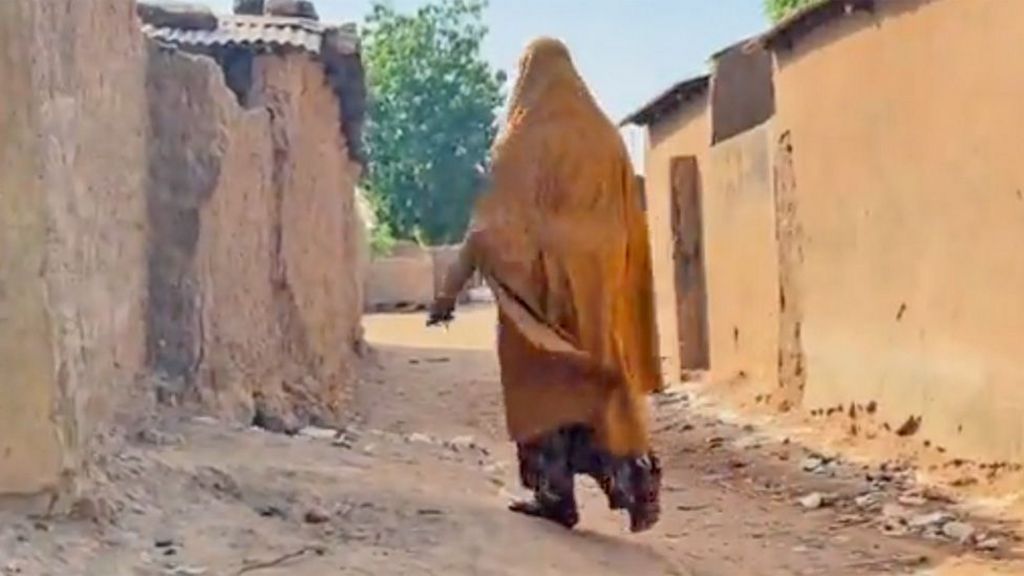
Residents of Nukuru village, approximately 10km from the strike zone, reported intense vibrations and aerial explosions that shook their mud-walled homes. While the full impact remains unclear, fleeing militants were observed evacuating the area on motorcycles shortly after the bombardment.
The Lakurawa group, which claims affiliation with Sahel-based Islamic State factions, has imposed a harsh regime on local communities. Villagers describe forced taxation, strict Sharia law enforcement including music bans, and violent reprisals for non-compliance. Despite their religious presentation, the militants primarily terrorize Muslim communities through cattle rustling, kidnappings, and armed intimidation.
This operation marks the second Christmas Day intervention against Lakurawa, following Nigeria’s domestic counterterrorism strike in 2024. The timing and international nature of the latest action have raised questions about strategic objectives in a region where criminal banditry and Islamist extremism increasingly intersect.
Security analysts note the challenges of sustained engagement in the rugged border terrain, where militants use motorcycles to navigate desert paths and maintain isolated camps on high ground. With minimal infrastructure and government services, these communities remain vulnerable to regrouping militants despite international military involvement.