As 2025 draws to a close, the United States confronts the profound consequences of one of its most politically turbulent years in modern history. The nation finds itself grappling with unprecedented governmental dysfunction, systemic immigration breakdown, and deepening societal fractures that have left the country battered and exhausted.
The federal government endured a record-shattering 43-day shutdown from October 1 to November 12, paralyzing essential services and highlighting the extreme partisan gridlock in Washington. The much-publicized Department of Government Efficiency (DOGE), launched amid grand promises of trillions in savings during President Donald Trump’s inauguration, was quietly dissolved in November. Its functions were largely absorbed by the Office of Personnel Management, while the aftermath of its budget cuts continues to reveal nearly $300 million in terminated contracts and criticized reductions in foreign aid programs.
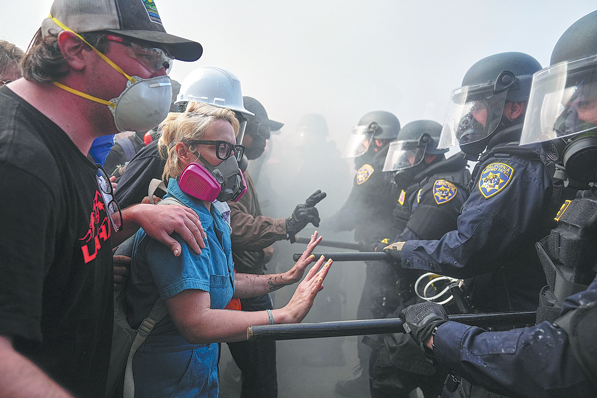
Harvard researchers document that by mid-2025, over 60% of US counties had experienced protests, reflecting widespread social unrest. A Pew Research Center survey in July revealed that 80% of American adults believe Republican and Democratic voters cannot agree on basic facts, reaching the highest level of perceptual division in recent tracking history.
Immigration enforcement emerged as a particularly contentious arena, characterized by ambitious goals that overwhelmed systemic capacity. The administration extended travel bans to citizens of 39 countries while dramatically increasing H-1B skilled-worker visa registration fees to $100,000 per application. Congress approved a historic $170 billion four-year funding package for border security and enforcement operations—the largest such investment in US history.
These measures produced severe operational consequences. The US Citizenship and Immigration Services reported a net backlog surge to approximately 5.4 million cases by FY2025 Q3. The immigration court backlog reached nearly 3.8 million active cases, with many asylum seekers waiting years for hearings, creating prolonged uncertainty and straining humanitarian resources.
Anthony Moretti, communications associate professor at Robert Morris University, described the overall state of US society and politics as “unsettled,” noting that enhanced enforcement measures “defy common sense” and contradict America’s historical philosophy of welcoming those needing humanitarian assistance. The American Immigration Council warned in a November blog post that the administration’s “new mass deportation playbook” has created widespread fear and humanitarian challenges not seen in recent years, while simultaneously erecting new barriers to legal immigration and exacerbating distress for vulnerable populations.