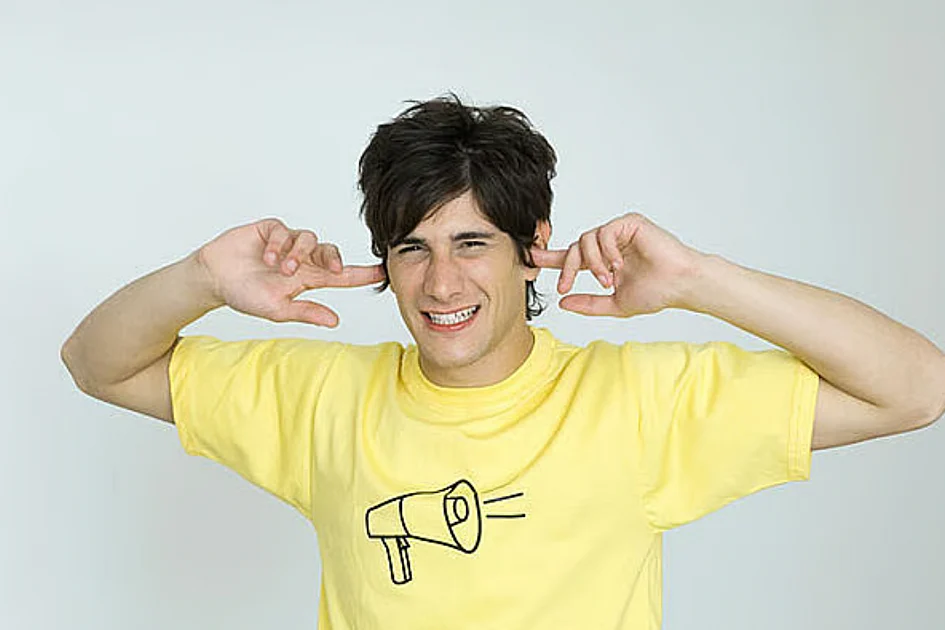
Medical specialists across the United Arab Emirates are bringing attention to misophonia, a neurological condition characterized by extreme sensitivity to specific everyday sounds, warning that it represents more than mere irritation but a legitimate clinical disorder with significant consequences. Unlike typical annoyance, misophonia triggers intense emotional and physiological responses that can severely disrupt cognitive functions and social interactions.
According to recent research cited by UAE healthcare professionals, including a PubMed-listed study titled ‘The Effect of Misophonia on Cognitive and Social Judgments,’ trigger sounds such as chewing, pen-clicking, or loud breathing can interrupt attention, impair memory recall, cloud social judgment, and disrupt overall cognitive processing. This creates substantial challenges in educational settings, open-plan offices, and family environments where these sounds are commonplace.
Dr. Lekha Kapoor, Consultant ENT at Medcare Hospital Sharjah, explains the diagnostic process: ‘We first conduct comprehensive ENT evaluations to rule out auditory issues, then utilize the Amsterdam Misophonia Questionnaire to assess severity—ranging from mild to extreme cases.’ She notes that patients often present confused and distressed, unaware their experiences constitute a recognized medical condition.
The psychological toll can be severe, with many patients experiencing overlapping anxiety, depression, and heightened stress. In extreme cases, the condition has been associated with suicidal tendencies due to the profound disruption to daily functioning and social relationships.
Despite its significant impact, awareness remains limited in the UAE compared to Western nations. Dr. Amal Atwa Ibrahim, Consultant Psychiatrist at NMC Specialty Hospital, emphasizes that professional intervention—particularly cognitive behavioral therapy (CBT), emotional regulation strategies, and practical tools like noise-cancelling headphones—can substantially improve quality of life for those affected.