On the historic island of Lamu, Kenya, where monsoon winds once guided merchant vessels to East African shores, archaeological evidence continues to illuminate a centuries-old narrative of transoceanic exchange. The Lamu Museum houses an extensive collection of Chinese porcelain artifacts—from Tang dynasty celadon to Ming dynasty blue-and-white ceramics—that testify to a trading relationship spanning over a thousand years.
Curator Mohammed Mwenje explains that these porcelain fragments, primarily excavated from ancient Swahili settlements including Shanga, Manda, and Gedi, represent more than mere commercial transactions. “In the 17th through 19th centuries, owning Chinese porcelain symbolized status and prestige,” Mwenje notes. “Families utilized these artifacts for home decoration, tomb ornamentation, and impressing distinguished visitors.”
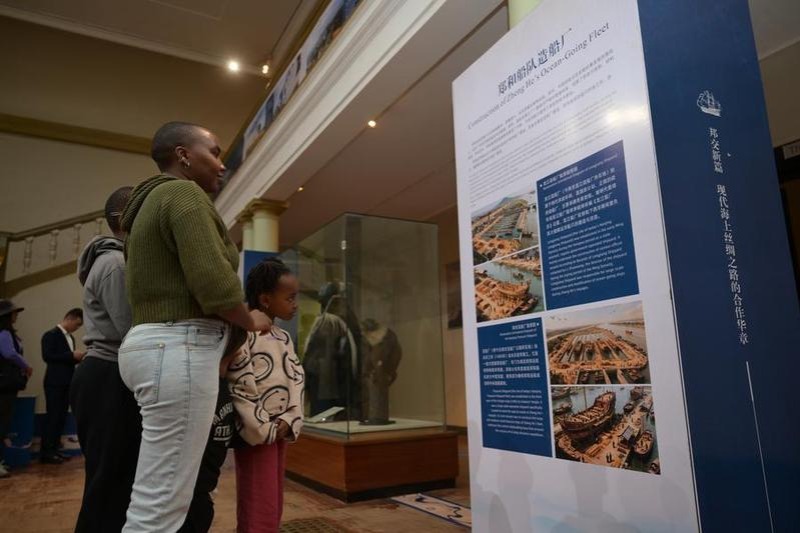
The collection gains particular historical significance from its association with Admiral Zheng He’s legendary 15th-century voyages during the Ming Dynasty. The Chinese navigator’s fleet reached the East African coast approximately 620 years ago, leaving material evidence that challenges conventional timelines of Sino-African engagement.
Beyond museum walls, local residents like Mansur Ile have become inadvertent custodians of this shared heritage. For fifteen years, Ile has meticulously gathered porcelain shards from abandoned homesteads and coastal areas, creating a personal archive that documents the region’s commercial past. Similarly, the Shee family in Siyu village preserves porcelain fragments handed down through generations, maintaining oral traditions that trace their ancestry to Chinese sailors.
Archaeological potential remains largely untapped across Lamu’s ancient sites. Fishermen regularly recover ceramic jars from nearby waters, suggesting the possible existence of a significant shipwreck from China’s maritime era. Previous Sino-Kenyan archaeological collaborations attempted to locate such wreckage but were hampered by inadequate equipment and challenging oceanic conditions.
Academic researchers like Rachel Maina from the University of Wisconsin-Madison are now exploring the sociocultural dimensions of these connections, examining how contemporary communities perceive their historical ties to China. Maina’s work seeks to complement archaeological findings with narratives from local perspectives.
Despite imperial China’s withdrawal from large-scale maritime activities following the Ming voyages, the 20th century witnessed renewed diplomatic and cultural connections between China and Kenya after the latter’s independence in 1963. The porcelain collection in Lamu—currently mostly in storage—awaits comprehensive scholarly investigation and public exhibition to fully articulate its historical significance.