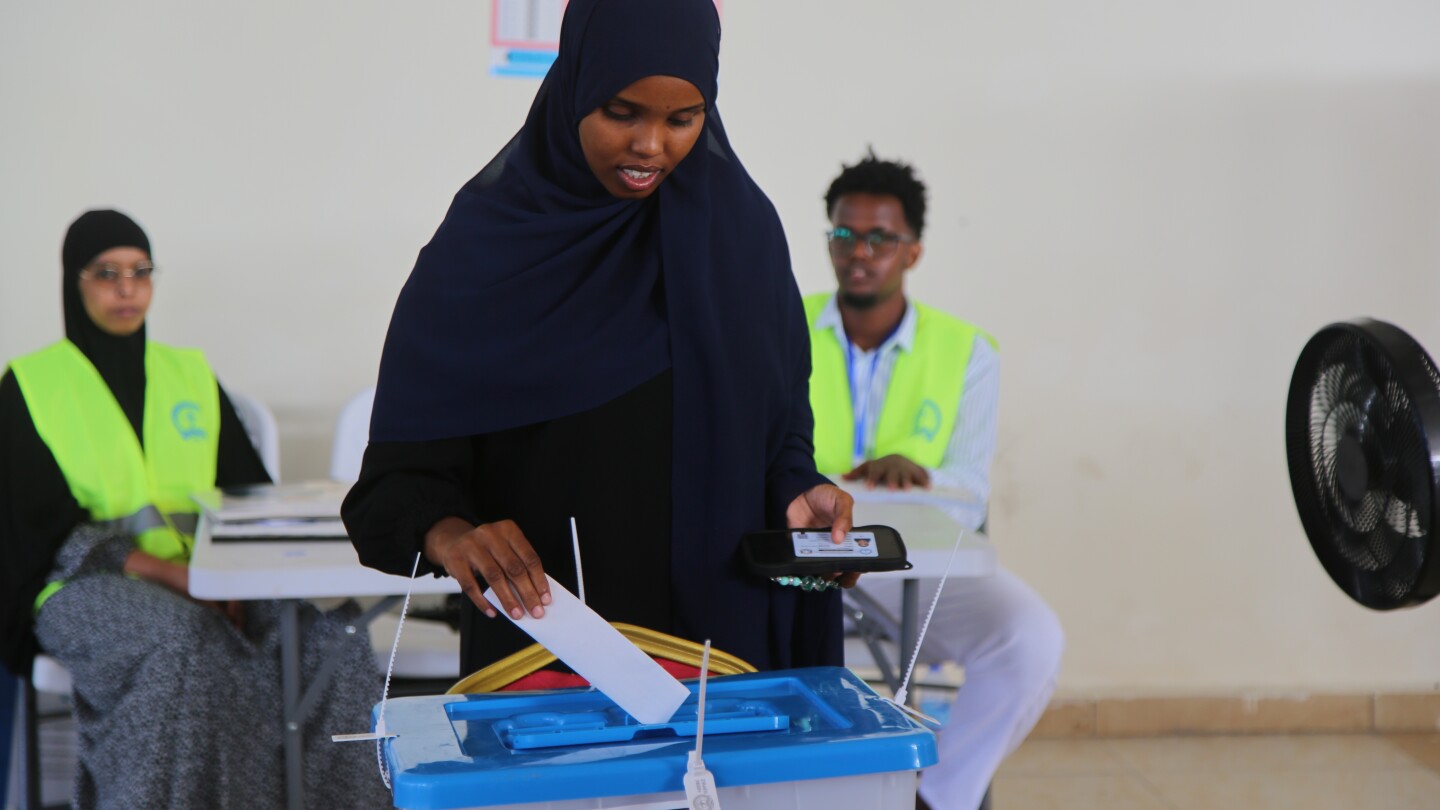
MOGADISHU, Somalia – The Somali capital witnessed a historic democratic exercise Thursday as residents participated in the nation’s first universal suffrage local elections since 1969. This groundbreaking electoral process represents a radical departure from Somalia’s traditional clan-based power-sharing system that has dominated political life for decades.
Organized by the federal government across Mogadishu’s 16 districts, the council elections have sparked intense political division. Opposition parties have unanimously rejected the process, labeling it as fundamentally flawed and politically biased. The voting marks the inaugural major electoral undertaking administered by Somalia’s National Independent Electoral and Boundaries Commission, featuring participation from approximately 20 political parties.
Despite its significance, the election does not determine Mogadishu’s mayoral leadership, which remains an appointed position due to unresolved constitutional status of the capital. This ambiguity reflects broader political fractures between President Hassan Sheikh Mohamud and regional leaders from Jubaland and Puntland regarding constitutional reforms.
Security measures were significantly enhanced throughout the capital to safeguard the electoral process against potential attacks from al-Shabab militants, who have consistently threatened Somalia’s political stability. Electoral authorities reported over 900,000 registered voters across 523 polling stations in the central region.
Political analyst Mohamed Husein Gaas, director of the Raad Peace Research Institute, noted that Mogadishu has demonstrated the technical feasibility of local elections despite challenges. He emphasized that the federal government’s initiative empowers citizens, enhances governmental accountability, and progresses toward a more inclusive state structure.
The elections, previously postponed three times in 2024, have faced vehement opposition criticism alleging that the government seeks to consolidate power and potentially extend presidential term limits—claims that authorities strongly deny. Meanwhile, first-time voter Farhiyo Mohamed expressed exhilaration at participating in an unprecedented democratic experience she had never witnessed in her lifetime.