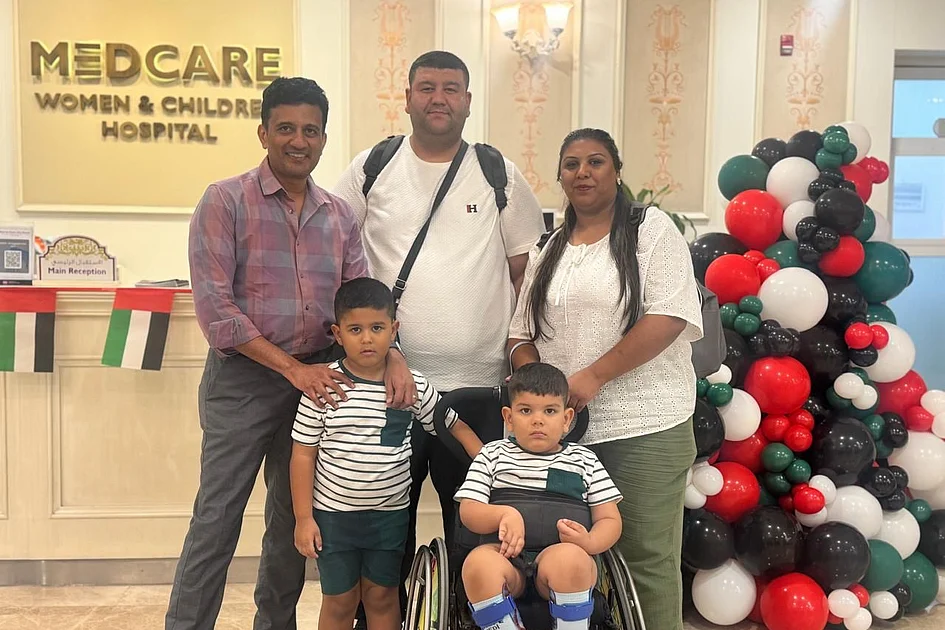
In a remarkable medical journey, a three-year-old Turkish boy named Hulus has arrived in Dubai with his family seeking groundbreaking gene therapy for Spinal Muscular Atrophy (SMA)—a rare genetic condition that progressively weakens muscles essential for movement, breathing, and swallowing. Left untreated, SMA often proves fatal for infants and can cause severe disability in older children.
The United Arab Emirates made medical history earlier this year by becoming the second nation worldwide to approve a revolutionary gene therapy treatment for SMA in eligible patients aged two years and above. This medical advancement delivers a functional gene through a one-time surgical procedure to replace the faulty gene responsible for the condition, potentially halting disease progression and significantly improving quality of life.
Hulus’s father, Mustafa Ser, a chef from Turkey, explained their desperate search for solutions: “We conducted extensive research through social media and connected with other families affected by SMA. Discovering Dubai’s gene therapy program became our beacon of hope.” The family exhausted their life savings and initiated fundraising campaigns to afford the travel and treatment expenses.
Medcare Royal Speciality Hospital in Dubai is overseeing Hulus’s treatment, facilitating visa arrangements and providing comprehensive medical supervision. According to Dr. Vivek Mundada, Consultant Paediatric Neurologist at the hospital, “This treatment represents a genuine paradigm shift in SMA care. We’re not only discussing saving lives but preserving independence and functionality in older children and adults.”
The treatment involves a approximately 30-minute surgical procedure under anesthesia, where the gene therapy is administered via spinal injection. Patients require careful monitoring afterward for potential side effects.
Hulus’s daily life has centered around intensive therapy regimens, including physiotherapy six days weekly and hydrotherapy sessions. His family has adapted their home environment with specialized equipment to support his continuous physical development.
Despite the promising treatment, Hulus faces lifelong medical monitoring, including regular assessments of liver enzymes, cardiac function, and respiratory health. His educational path will initially require specialized schooling accommodations.
The family’s journey highlights both the extraordinary medical advancements emerging from the UAE and the ongoing challenges faced by families dealing with rare genetic disorders worldwide.