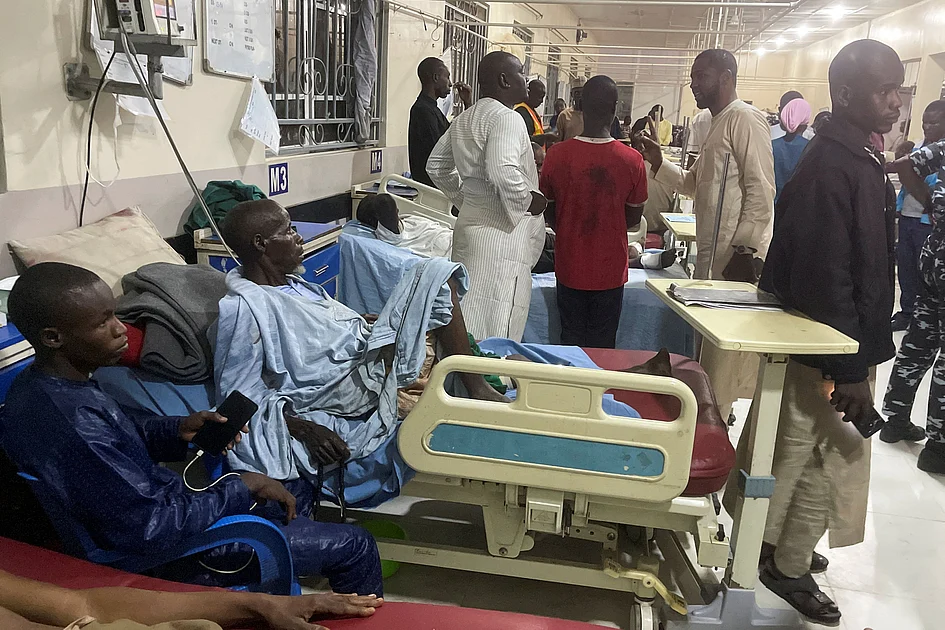
A devastating explosion tore through a crowded mosque in Maiduguri, Nigeria, on Wednesday evening, resulting in the deaths of at least seven worshippers and injuring multiple others. The attack occurred around 6:00 PM local time (1700 GMT) at a mosque within the city’s Gamboru market, where Muslim faithful had gathered for Maghrib prayers.
Witness accounts and security sources described a scene of chaos following the blast, with victims rushed to nearby medical facilities for emergency treatment. While no group immediately claimed responsibility, anti-militia leader Babakura Kolo characterized the incident as a suspected bombing. Conflicting reports emerged regarding the method of attack, with some witnesses suggesting a suicide bombing while others indicated an explosive device had been placed within the mosque premises.
Maiduguri, the capital of Borno state, has historically been the epicenter of Nigeria’s prolonged conflict with jihadist groups, including Boko Haram and its offshoot, the Islamic State West Africa Province (ISWAP). Although the city has experienced relative calm in recent years, this attack marks a concerning resurgence of violence in urban areas.
Security forces promptly cordoned off the area as explosive ordnance disposal teams commenced investigation operations. International NGOs operating in the region issued security alerts advising staff to avoid the Gamboru market vicinity following the incident.
The bombing occurs against the backdrop of Nigeria’s ongoing counterinsurgency campaign, which according to United Nations estimates has resulted in approximately 40,000 fatalities and displaced nearly two million people since 2009. While violence had diminished from its peak a decade ago, recent months have seen increased militant activity across the northeast region, with growing concerns among analysts about a potential escalation in jihadist operations this year.