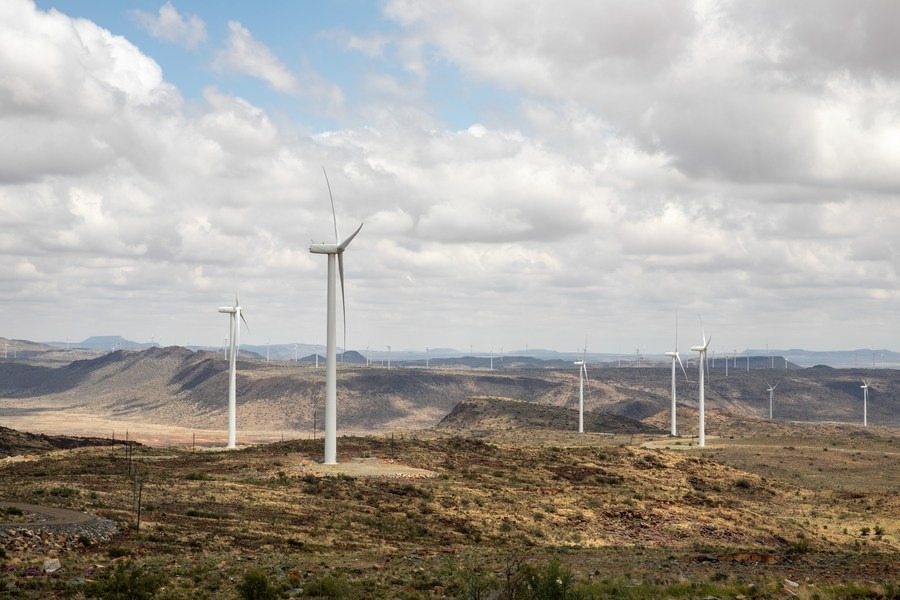
Two comprehensive studies released by the Africa-China Centre for Policy and Advisory in collaboration with the African Climate Foundation reveal China’s increasingly significant role in advancing sustainable development across Africa. The research, focusing specifically on Ghana and Ethiopia, demonstrates how Chinese partnerships have evolved beyond traditional infrastructure projects to become crucial enablers of green industrialization.
Through the Forum on China-Africa Cooperation (FOCAC), China has established innovative financing mechanisms that African nations find more adaptable than Western alternatives. These arrangements include concessional loans, grants, and technical assistance packages specifically designed to make renewable energy projects more financially accessible. The $60 billion commitment China made to African investments has already supported notable initiatives such as Ghana’s Hydro-Solar Hybrid plant and numerous industrial zone upgrades promoting eco-friendly manufacturing.
In Ethiopia, Chinese engagement has been particularly transformative, with $850 million invested in green energy between 2011-2024—making China the nation’s second-largest renewable energy donor after the World Bank Group. Chinese enterprises have contributed to over 2,000 projects valued at approximately $5 billion, generating nearly 600,000 employment opportunities while developing critical infrastructure including railways, telecommunications networks, and power generation facilities.
The reports acknowledge certain challenges, noting that Ghana’s manufacturing sector receives only a limited portion of green financing and that domestic financial institutions have been slow to adopt climate-conscious lending practices. Ethiopia requires better alignment between FOCAC initiatives and its specific green industrial priorities.
Despite these hurdles, researchers emphasize the substantial opportunities emerging from Sino-African cooperation. Paul Frimpong, Executive Director of the Africa-China Centre, highlighted the growing urgency among African nations to shape their climate agendas through international partnerships. Sahele T. Fekede of the African Climate Foundation pointed to the potential for African institutions to enhance regulatory frameworks and build technical capacity through collaboration with Chinese partners.
The assessment concludes that China’s flexible financing models and technological expertise are helping bridge critical funding gaps in Africa’s green transition, which could potentially create 1.2 million new jobs in Ghana alone by 2030 while reducing industrial emissions by 35 percent.