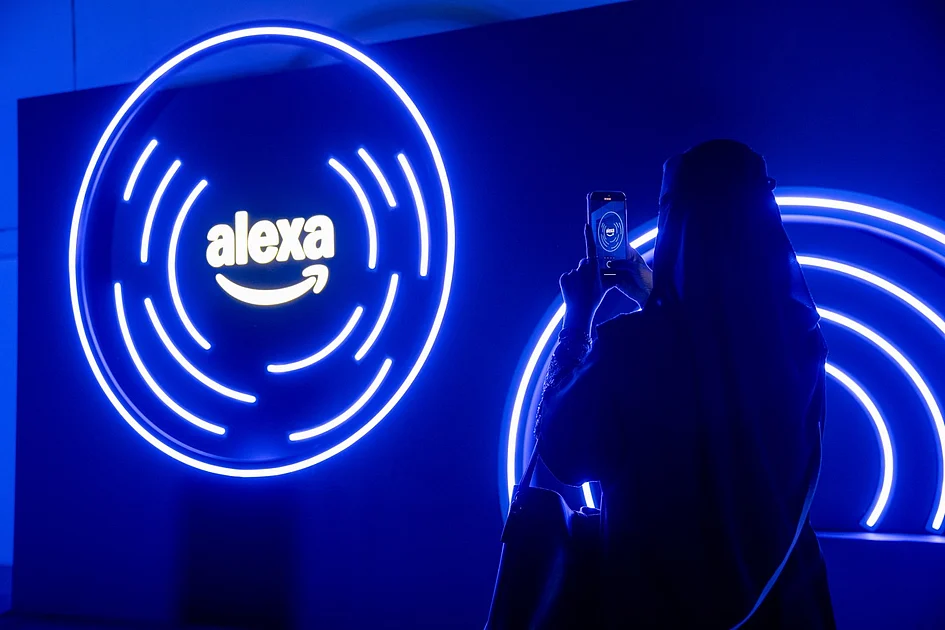
The United Arab Emirates is witnessing a transformative integration of voice-assisted technology into domestic life, with new regional data revealing unprecedented adoption rates. According to 2025 interaction metrics from Amazon Alexa, households across Saudi Arabia and the UAE have generated over 500 million voice commands this year alone, signaling a fundamental behavioral shift in how residents interact with their living environments.
Smart-home automation emerged as the primary driver of voice technology usage, accounting for 175 million commands. UAE households particularly excel in implementing multi-step routines that simultaneously adjust lighting, climate control, and ambient audio through single voice prompts. Lighting commands specifically saw 30 million requests, representing a 25% year-over-year increase and establishing illumination control as a cornerstone of home automation.
Entertainment functions constituted the second largest usage category with 106 million interactions, including 34 million music track plays. The UAE’s musical preferences reflect its multicultural composition, with Hindi music ranking as the second-most popular genre after children’s content, followed by funk and pop offerings. The data also revealed growing demand for atmospheric audio, with rain sounds and white noise triggered over 500,000 times for relaxation and focus enhancement.
Beyond practical applications, voice technology demonstrates significant social impact. Half of surveyed respondents reported that Arabic voice assistants help younger family members maintain or improve their Arabic language skills, while 48% noted increased digital confidence among older relatives. Children remain central to voice interaction patterns, with nursery rhymes and kids’ songs representing the most requested audio category across both markets.
The technology has also found spiritual applications, with families requesting morning and evening Athkar over 400,000 times and frequently accessing specific surahs from the Holy Quran including Al-Baqarah, Al-Kahf and Al-Mulk.
Dr. Raf Fatani, Regional General Manager for Alexa Mena, emphasized the cultural significance of these developments: “These findings transcend technological trends, representing genuine integration into family life. Each statistic reflects meaningful moments—parents adjusting environments while holding children, elders managing schedules, and families creating new traditions through culturally responsive technology.”
The convergence of these trends positions the UAE and Saudi Arabia as pioneers in developing culturally-aware, family-centered smart home ecosystems that seamlessly blend technological innovation with regional traditions and values.