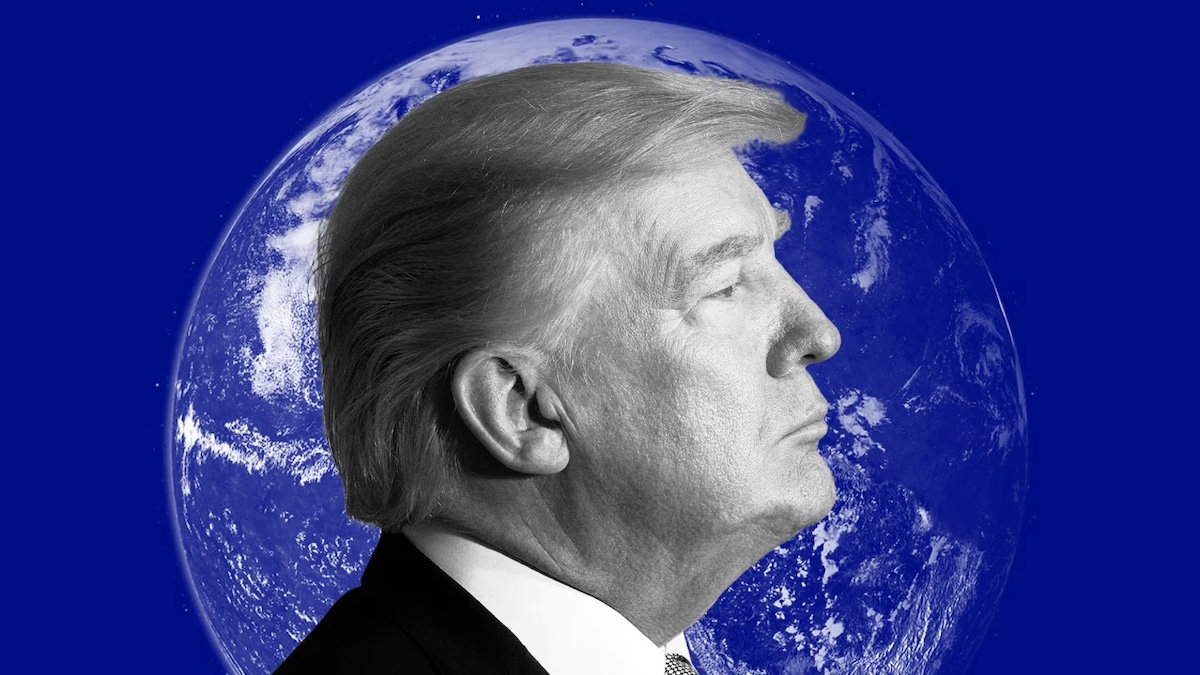
As 2025 concludes, Donald Trump’s presidency has crafted a foreign policy doctrine that resists conventional classification. Campaigning on an “America First” platform and opposing prolonged military engagements, Trump has paradoxically embraced a strategy of selective interventionism—merging realpolitik, transactional diplomacy, and occasional imperial overreach under the guise of restraint.
Notable achievements highlight the efficacy of strategic pressure. The Gaza ceasefire, finalized in October 2025, stands as the administration’s foremost diplomatic triumph. By leveraging alliances with Arab states and exerting simultaneous pressure on Israel and Hamas, Trump secured a cessation of hostilities that eluded his predecessor. The 20-point peace plan, though its long-term sustainability remains uncertain, halted immediate violence. Similarly, the reorientation of U.S. focus toward the Western Hemisphere—elevated as a priority in the 2025 National Security Strategy—addressed decades of regional neglect, acknowledging that instability in neighboring nations poses more direct threats than distant conflicts.
However, these successes are undermined by profound inconsistencies and dangerous overreach. The Ukraine peace process exemplifies this incoherence. The deployment of Jared Kushner and real estate developer Steve Witkoff for negotiations with Putin—labeled as “personal diplomacy” by supporters but criticized as cronyism—resulted in initial proposals so favorable to Russia that Ukrainian analysts deemed them tantamount to capitulation. Despite revisions, the initiative flounders as military gains continue.
Alarming rhetoric on Gaza further exposed policy chaos. Trump’s February suggestion of U.S. annexation and Palestinian expulsion—later walked back by subordinates—drew comparisons to ethnic cleansing and revealed a decision-making process devoid of strategic coherence. The administration’s embrace of the “Trump Corollary” to the Monroe Doctrine intensified concerns, deploying military assets to the Caribbean and designating drug cartels as terrorist organizations to justify interventionism in Latin America.
China policy reduced great-power competition to economic transactions, ignoring security implications, while treatment of European allies mixed reasonable demands for defense spending with gratuitous provocations on domestic issues like immigration and far-right politics. These actions accelerated European moves toward strategic autonomy, counterproductively undermining alliance structures.
Ultimately, Trump’s foreign policy demonstrates a grasp of realist principles—prioritizing interests over ideology, valuing transactional deals—but fails to apply them wisely. The pursuit of hemispheric hegemony without entanglement, burden-sharing amid alienation, and economic warfare with strategic accommodation proves fundamentally incompatible. Despite sound instincts on burden-sharing and regional focus, undisciplined execution generates chaos, risking new commitments while alienating essential allies.