In a significant diplomatic move at the United Nations, Sudanese Prime Minister Kamil Idris presented an ambitious peace initiative aimed at resolving the devastating 1,000-day civil war that has ravaged the Northeast African nation. The proposal, unveiled during a Security Council session on Monday, outlines a structured framework for ceasefire implementation, paramilitary disarmament, and international monitoring mechanisms.
The comprehensive plan calls for the United Nations, African Union, and Arab League to jointly supervise an immediate cessation of hostilities. Central to the initiative is the complete withdrawal of the paramilitary Rapid Support Forces (RSF) from occupied territories, their relocation to supervised camps, and subsequent disarmament. Idris emphasized that his government’s proposal represents an indigenous solution rather than externally imposed conditions, indirectly referencing the Quad initiative supported by the United States, Saudi Arabia, Egypt, and the United Arab Emirates.
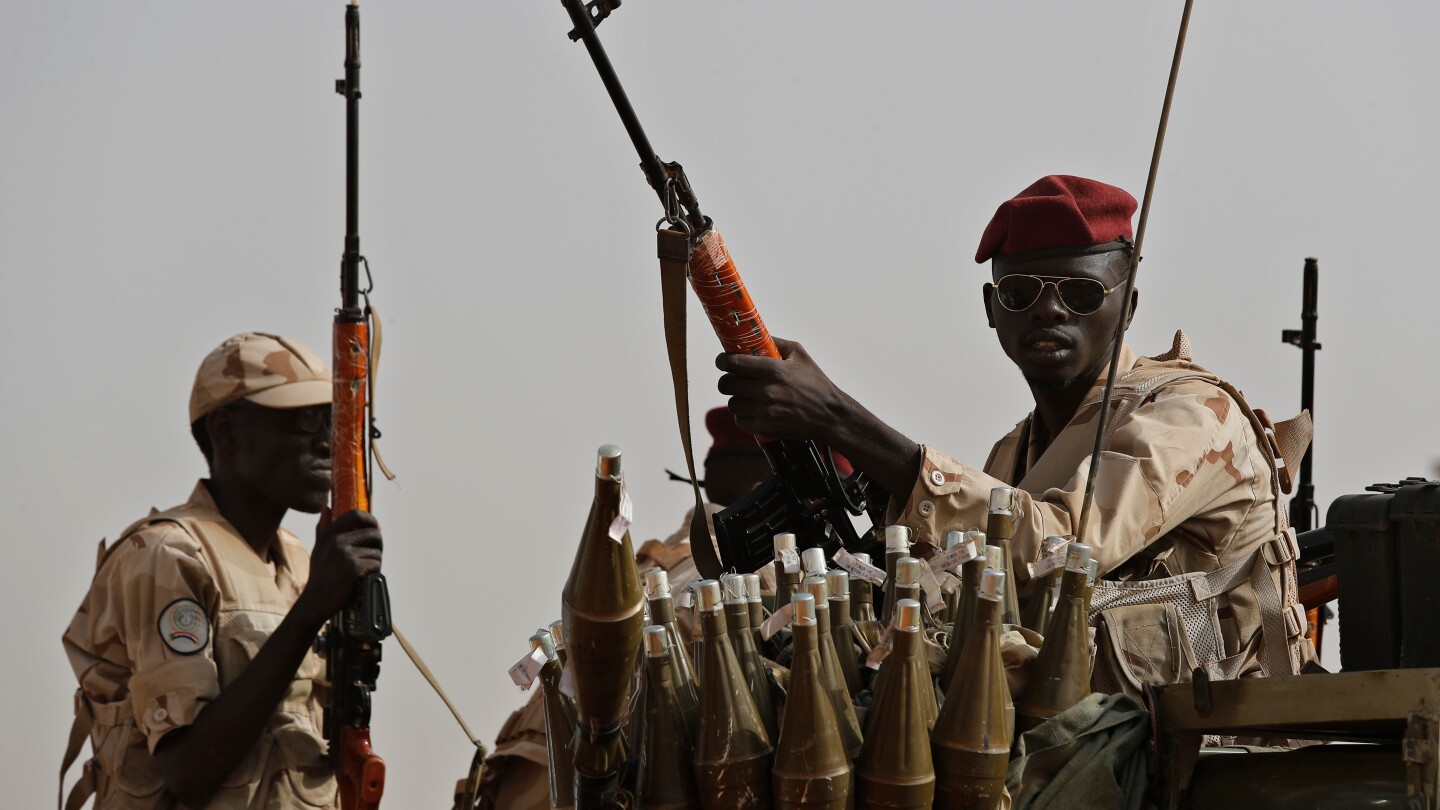
Despite the proposal’s comprehensiveness, diplomatic observers expressed skepticism regarding its acceptance by the RSF, which would effectively necessitate their military capitulation. The conflict originated in April 2023 from a power struggle between Sudan’s regular military and the RSF, escalating into widespread violence that international organizations have classified as involving war crimes and crimes against humanity.
U.S. Deputy Ambassador Jeffrey Bartos urged both warring factions to immediately accept the humanitarian truce without preconditions, while strongly condemning the horrific violence across Darfur and Kordofan regions. UAE Ambassador Mohamed Abushahab, representing the Quad mediators, cautioned that unilateral efforts by either party would prove unsustainable and only prolong the devastating conflict.
UN Assistant Secretary-General for Political Affairs Khaled Khiari highlighted escalating concerns about the continuous flow of sophisticated weaponry to both sides, criticizing external backers for prioritizing oil revenues over civilian protection. The conflict has created the world’s largest humanitarian crisis, with UN figures indicating over 40,000 fatalities and 14 million displaced persons, though aid organizations suggest actual numbers may be substantially higher.