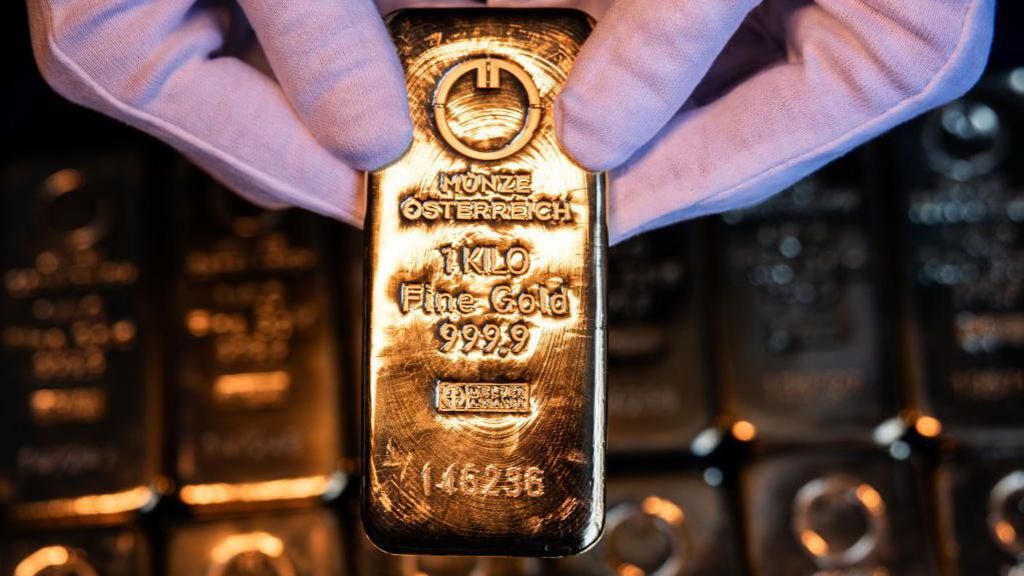
Gold markets have achieved an unprecedented milestone, surging past the $4,400 per ounce threshold for the first time in history before reaching a peak of $4,420 on Monday. This remarkable rally represents a staggering 68% year-to-date increase—the most substantial annual gain since 1979—propelled by a convergence of economic pressures and global instability.
Market analysts identify multiple catalysts driving this historic bull run. Expectations of further interest rate reductions by the US Federal Reserve in 2026 have fundamentally reshaped investment strategies. With lower rates diminishing returns on traditional fixed-income assets, investors are increasingly flocking to safe-haven commodities like gold to diversify portfolios and secure returns.
Geopolitical factors have equally contributed to gold’s spectacular performance. Trade tensions amplified by the Trump administration’s tariff policies, combined with ongoing global conflicts, have created an environment of uncertainty that traditionally benefits precious metals. Adrian Ash, research director at BullionVault, observes that 2025’s “slow-burning trends around interest rates, war and trade tensions” have collectively fueled the rally.
The phenomenon extends beyond gold alone. Silver has dramatically outperformed its counterpart, skyrocketing 138% this year to reach a record $69.44 per ounce. Platinum simultaneously hit a 17-year high, benefiting from both investment demand and industrial applications. Unlike gold, these metals maintain significant manufacturing utility, creating additional demand pressure alongside their investment appeal.
A weakening US dollar has further accelerated the trend, making dollar-denominated commodities more attractive to international buyers. This perfect storm of monetary policy expectations, geopolitical instability, and currency dynamics has created the most favorable conditions for precious metals in decades.