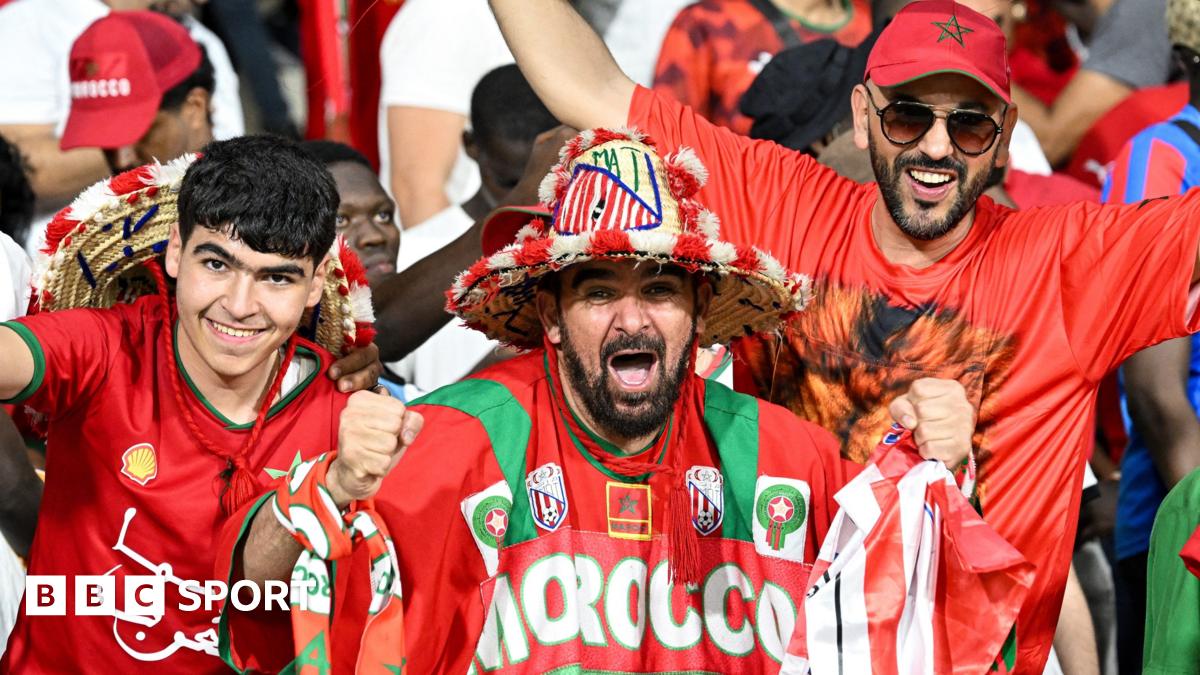
As Morocco prepares to host the 2025 Africa Cup of Nations commencing Sunday, the tournament represents the potential culmination of a meticulously orchestrated national project to establish football supremacy across the continent. The Atlas Lions enter the competition carrying not just home advantage but the weight of nearly five decades of expectation, having last claimed the continental title in 1976.
The nation’s football transformation stems from strategic vision dating back to 2008 when King Mohammed VI initiated an ambitious plan leveraging football for national development. This vision materialized through substantial infrastructure investments including the Mohammed VI Football Academy (established 2009) and the $65 million Mohammed VI Training Complex (opened 2019). These world-class facilities combine elite training environments with educational and sports science resources, creating an unprecedented development pipeline for Moroccan talent.
Midfielder Sofyan Amrabat, a veteran of Morocco’s historic World Cup 2022 semi-final campaign, encapsulates the national sentiment: “Every time I put on the Moroccan jersey, it’s an amazing feeling… I’m really looking forward to this AFCON, especially because it’s at home. And of course, we hope it’s going to be ours.”
The team’s credentials are formidable: reigning as Africa’s highest-ranked team (11th in FIFA rankings), holders of a world record 18 consecutive victories since March 2024, and boasting exceptional talent including African Player of the Year Achraf Hakimi, Real Madrid’s Brahim Díaz, and elite goalkeeper Yassine Bounou. However, concerns persist regarding captain Hakimi’s fitness following a November ankle injury sustained during Champions League action.
Football analyst Jalal Bounouar emphasizes the tournament’s significance: “Morocco’s primary and most immediate goal is to win AFCON. Winning the continental title is seen as the final piece of the puzzle.” This perspective follows consistent success across multiple fronts: Olympic bronze (2024), FIFA U-20 World Cup victory, three consecutive African Nations Championships, and recent Arab Cup triumph.
Despite sporting achievements, the substantial investment has faced scrutiny amid domestic calls for improved public services. The “hospitals not stadiums” movement reflects ongoing debates about resource allocation, particularly with Morocco co-hosting the 2030 World Cup. Nevertheless, statistical evidence shows growing grassroots participation and increased social acceptance of women’s football, complemented by the Atlas Lionesses’ consecutive Women’s Cup of Nations finals appearances.
Morocco commences their campaign against Comoros on Sunday, carrying not just trophy aspirations but the embodiment of a nation’s strategic sporting vision.