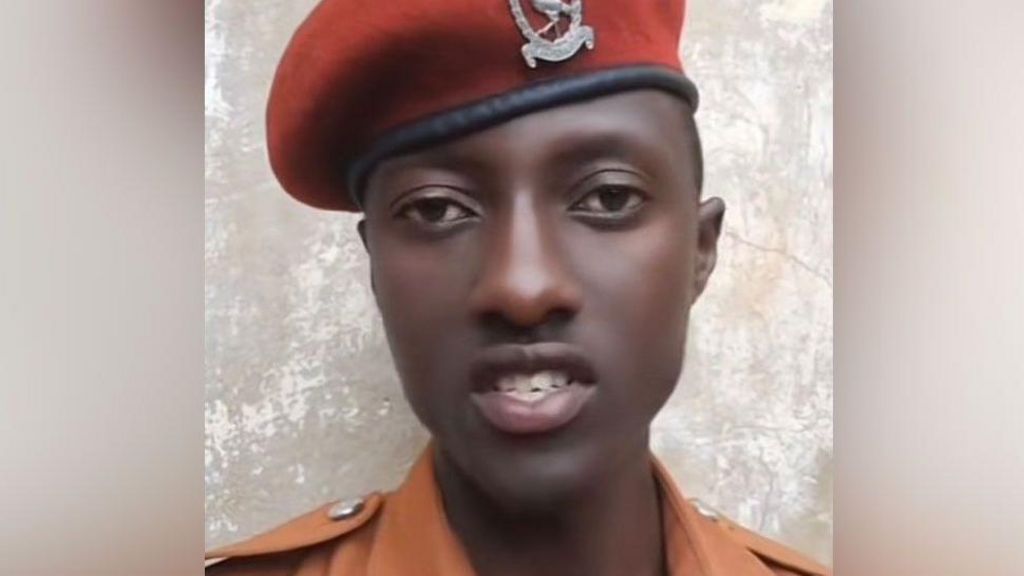
In a significant disciplinary action highlighting Uganda’s ongoing tensions between state authority and digital free speech, prison officer Lawrence Ampe has been formally dismissed from service for utilizing TikTok to expose governmental corruption and power abuses. The Uganda Prisons Service terminated Ampe’s employment citing “gross indiscipline” and violation of standing orders prohibiting public officers from political participation.
The controversial dismissal follows Ampe’s sustained social media campaign accusing senior officials within the prison system of corruption, human rights violations, and mistreatment of junior staff. Despite previous warnings from prison authorities about inappropriate use of social media for political expression, Ampe continued producing content that garnered over 100,000 followers on the popular video platform.
Prisons spokesman Frank Baine defended the decision, stating Ampe was engaged in “politicking in the wrong forum” and showed no remorse during disciplinary proceedings. The officer was ordered to surrender all state property following last Tuesday’s dismissal resolution by the Prisons Council.
The opposition movement, particularly supporters of presidential challenger Bobi Wine (musician-turned-politician Robert Kyagulanyi Ssentamu), has condemned the dismissal as evidence of systemic oppression and selective enforcement of regulations. Ampe had used his platform to promote Wine’s campaign against long-serving President Yoweri Museveni in the upcoming January elections.
In response to his dismissal, Ampe posted his termination letter on TikTok with the caption: “I’m finally out free to support truth.” In subsequent videos, he assured supporters his activism wasn’t motivated by financial concerns but by patriotic dedication to “liberating our nation.”
This incident occurs within a broader pattern of documented internet freedom restrictions in Uganda. The U.S. government’s 2023 report noted the country’s use of criminal punishments to limit online expression, while human rights organizations regularly condemn Ugandan authorities for suppressing dissent and violating freedom of expression rights. The case echoes last year’s conviction of a 24-year-old man who received a six-year prison sentence for insulting the president and first family on TikTok.