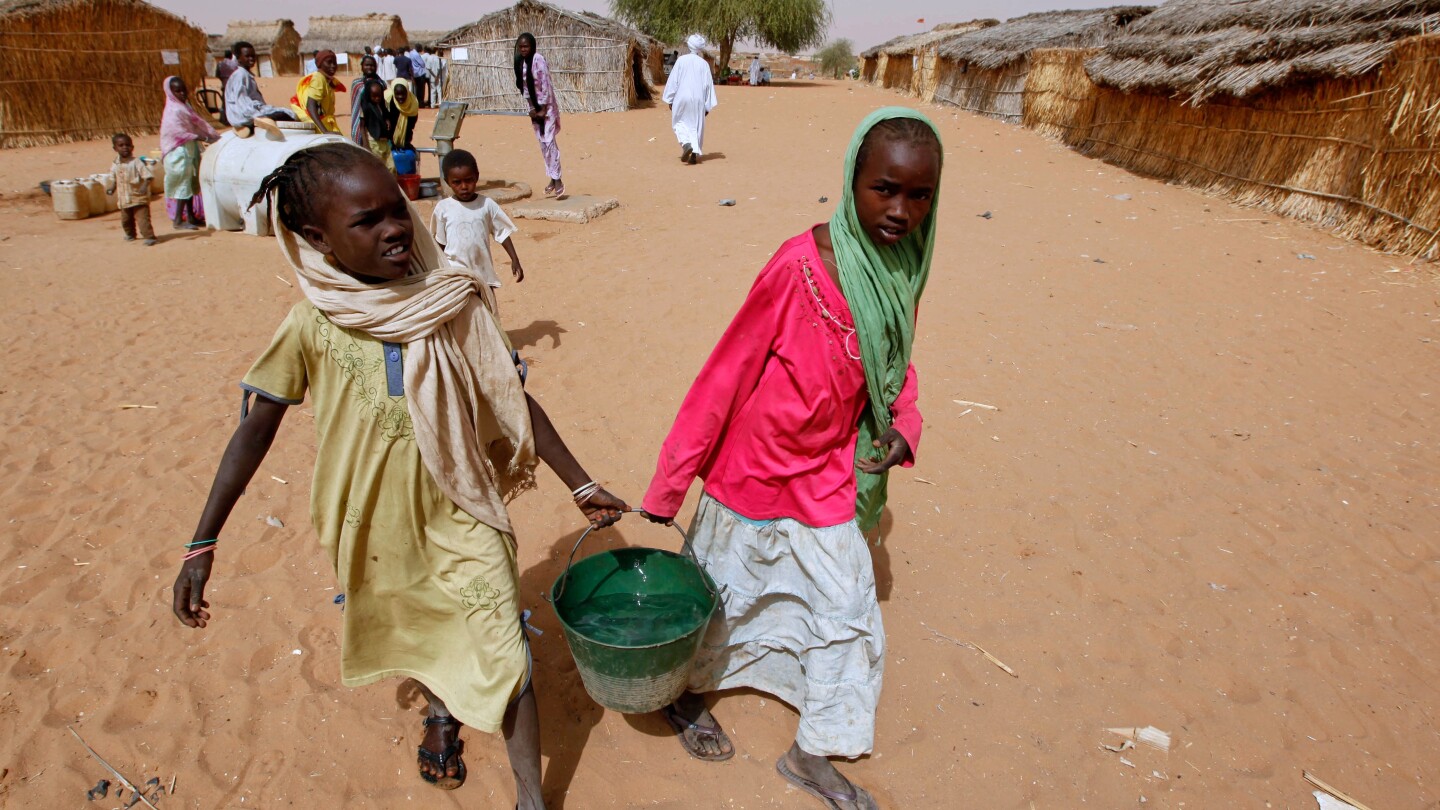
A comprehensive United Nations human rights investigation has revealed horrific atrocities committed during a three-day assault on Zamzam displacement camp in western Sudan earlier this year. The report, released Thursday by the UN Human Rights Office, documents systematic violations by the Rapid Support Forces (RSF) paramilitary group that resulted in the deaths of more than 1,000 civilians during their April offensive.
The attack formed part of the RSF’s broader siege strategy against el-Fasher, the provincial capital of North Darfur. According to the UN findings, hundreds of victims were summarily executed through methodical house-to-house raids, with additional massacres occurring at the main market, educational institutions, and medical facilities. The report further details patterns of sexual violence encompassing rape, gang rape, and sexual slavery practices.
UN High Commissioner for Human Rights Volker Türk characterized these actions as “a consistent pattern of serious violations of international humanitarian law and gross abuses of international human rights law.” The findings emerge weeks after Amnesty International independently accused the RSF of committing war crimes during the same operation.
Zamzam camp, established in 2004 to accommodate those displaced by Janjaweed militia attacks, had swelled to become Sudan’s largest displacement settlement with over 500,000 residents prior to the assault. The UN report notes that the RSF had systematically blocked food and essential supplies from reaching the camp for months preceding the violence.
The broader conflict between the RSF and Sudanese military, ongoing since April 2023, has created the world’s most severe humanitarian crisis according to international observers. The war has claimed approximately 40,000 lives—though rights organizations suggest significantly higher casualties—while displacing over 14 million people. Famine conditions have emerged across multiple regions, including Zamzam camp.
Türk warned that the documented patterns of violence are now being replicated in el-Fasher following the RSF’s takeover of the city in late October. “These horrific patterns of violations—committed with impunity—are consistent with what my office has repeatedly documented,” he stated.
Diplomatic efforts to address the crisis intensified as Sudan’s top general met with Egyptian President Abdel-Fattah el-Sissi in Cairo. This followed discussions between Sudanese officials and Saudi authorities in Riyadh, where US envoy Massad Boulos concurrently engaged with Saudi officials. Boulos subsequently announced on social media platform X that practical steps had been agreed upon “toward a humanitarian truce, durable stability, and expanded humanitarian access.”
The Quad mediation group—comprising the United States, Saudi Arabia, Egypt, and the United Arab Emirates—faces challenges in negotiations. Sudanese military leadership had previously rejected a November ceasefire proposal as “unacceptable and the worst yet,” while accusing mediators of bias. Egypt’s presidency subsequently affirmed its support for Sudan’s territorial integrity, explicitly rejecting “the establishment of any parallel entities or their recognition” in reference to the RSF’s announced parallel government in July.