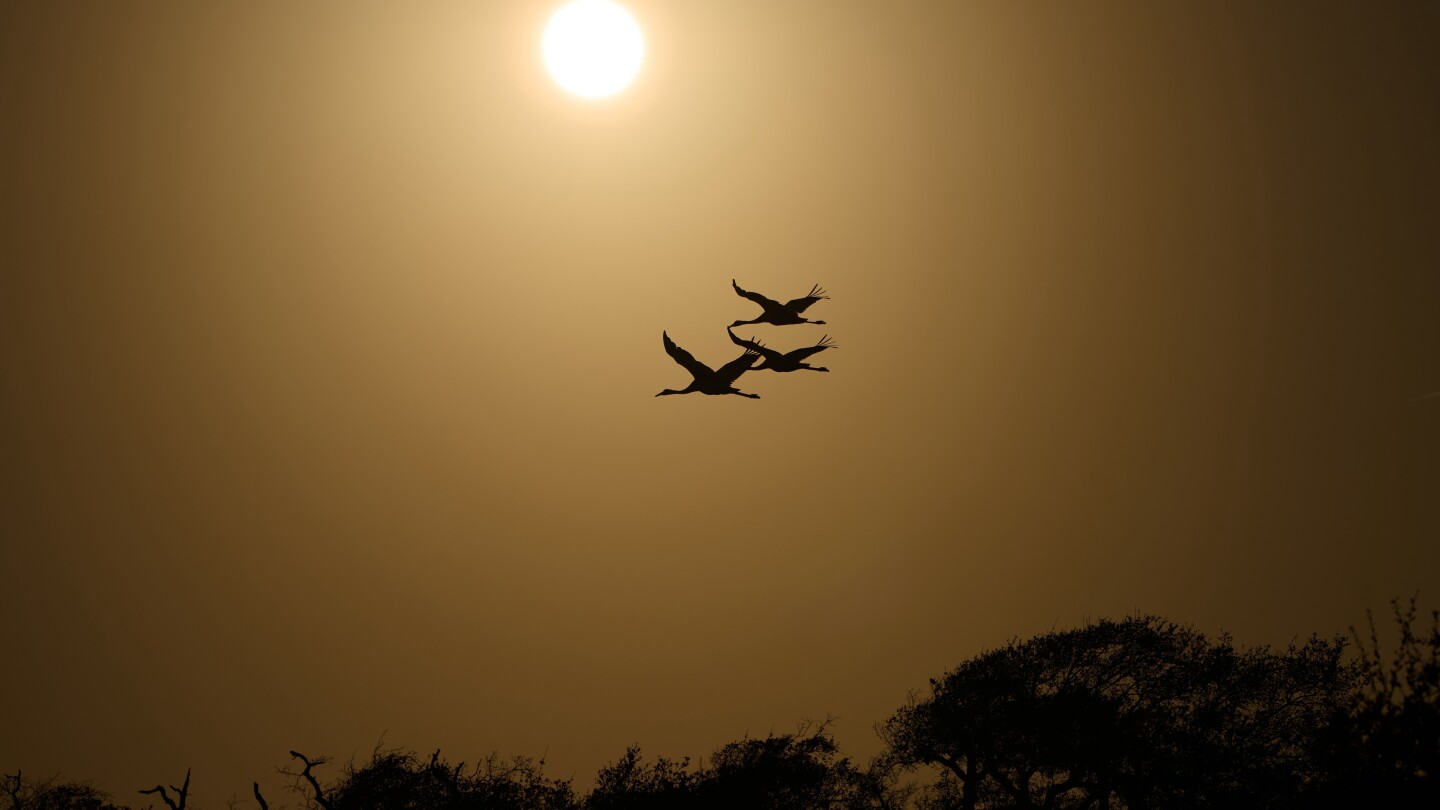
SEADRIFT, Texas — Conservationists have achieved a landmark victory in wildlife preservation with the establishment of a 3,300-acre sanctuary dedicated to protecting North America’s rarest crane species. The International Crane Foundation, in collaboration with The Conservation Fund and the Coastal Bend Bays & Estuaries Program, has secured vital winter habitat for the endangered whooping crane through an $8.4 million acquisition finalized this December.
The whooping crane, standing at approximately 5 feet with a impressive 7.5-foot wingspan, represents one of the most dramatic conservation success stories in modern history. From a perilous population low of just 16 birds in the 1940s, the species has rebounded to over 550 individuals that annually complete a 2,500-mile migration from Canada’s Wood Buffalo National Park to Texas’ coastal wetlands.
Carter Crouch, Director of Gulf Coast Programs at the International Crane Foundation, describes the conservation journey as “complicated with many successes and some setbacks,” but emphasizes the remarkable progress achieved through decades of dedicated effort. The newly protected lands, named the Wolfberry Whooping Crane Sanctuary after the birds’ favored berry food source, will serve as critical buffer against mounting environmental threats.
These majestic birds face compounding challenges from urban development, climate change-induced sea level rise, energy infrastructure expansion, and wetland degradation. Globally, crane species are particularly vulnerable, with 10 of the world’s 15 crane species currently threatened with extinction. The United Nations reports that 35% of global wetlands have disappeared since the 1970s due to human activities.
The sanctuary acquisition represents more than mere land preservation—it embodies a comprehensive ecological restoration initiative. Conservation teams will implement prescribed burns to reclaim prairie grasslands from invasive shrubs, plant smooth cordgrass to combat shoreline erosion, and create educational opportunities for public engagement. The protected area also provides habitat for other threatened species including the aplomado falcon and black rail bird.
For communities along the Texas coast, the whooping crane migration has become both an ecological treasure and economic asset. Bird enthusiasts from around the world flock to the region, supporting local businesses in towns like Rockport and Port Aransas. Julie Shackelford, Texas director for The Conservation Fund, notes that the sanctuary offers “the only place in the U.S. where people can reliably see whooping cranes” in their natural habitat.
As climate change accelerates habitat loss worldwide, this conservation achievement demonstrates how targeted land protection can create resilience for endangered species. The whooping crane’s continued recovery serves as both a testament to conservation dedication and a reminder that persistent threats require ongoing vigilance and intervention.