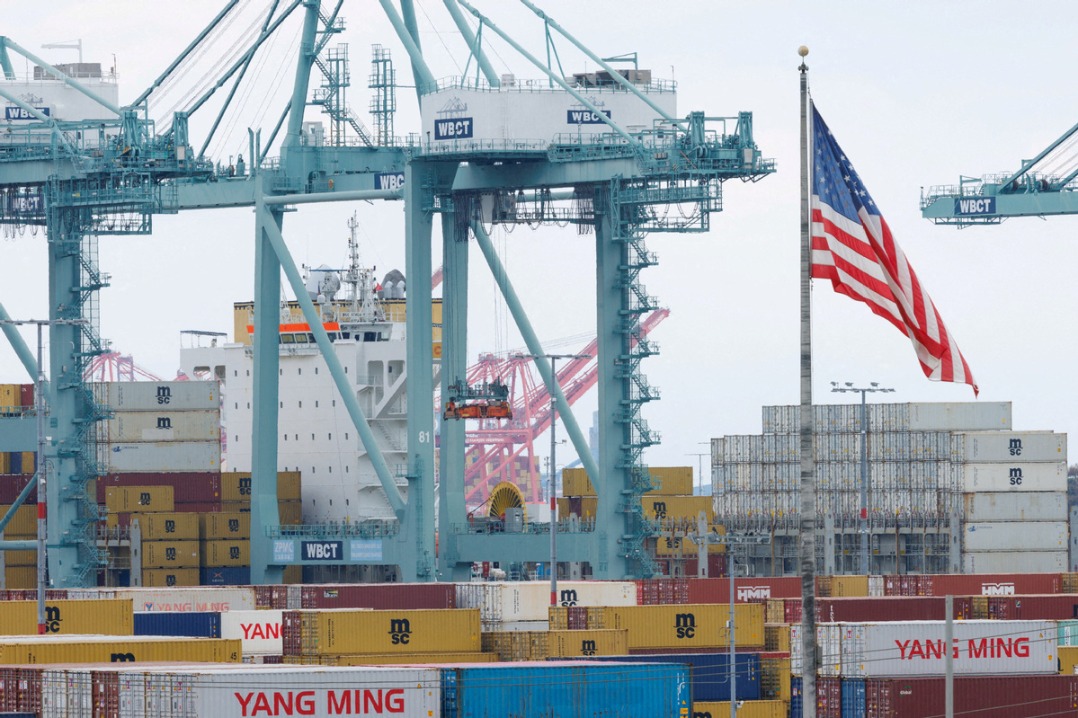
The ongoing trade friction between the United States and China has manifested in stark export figures for November 2025, with Chinese shipments to American markets declining by approximately 29% year-on-year. This substantial contraction follows a year of volatile trade policy interventions that have reshaped bilateral commerce between the world’s two largest economies.
Customs data reveals a parallel decline in American exports to China, which fell by 19% during the same period. The current tariff structure maintains substantial barriers, with average levies of 47.5% on Chinese goods entering the United States and 32% on American products reaching Chinese markets, according to analyses from the Peterson Institute for International Economics.
Despite these bilateral challenges, China’s global export performance demonstrated resilience with a 5.9% increase to $330 billion in November, rebounding from an unexpected contraction the previous month. This growth underscores China’s strategic pivot toward diversifying its export destinations and reducing dependency on any single market.
Financial analysts observe that China is actively rebalancing its economic model. Peter Boockvar, Chief Investment Officer at OnePoint BFG Wealth Partners, noted: “China continues to rely less on selling goods to the US. With substantial domestic savings, China is incentivizing consumer spending to decrease reliance on manufacturing and exports.”
The agricultural sector has emerged as a particularly sensitive indicator of trade tensions. American soybean farmers experienced significant market disruption throughout the year, though recent data indicates gradual resumption of Chinese purchasing. In response to these challenges, the U.S. administration announced a $12 billion support package for affected farmers, drawing funds from tariff revenues and agricultural assistance programs.
Cory Walters, Agricultural Economics professor at the University of Nebraska, emphasized that while temporary aid provides relief, “market access is paramount” for long-term agricultural sustainability. Chinese market share in global exports is projected to expand from 15% to 16.5%, driven by advanced manufacturing sectors including robotics, battery technology, and electric vehicles.
The October truce agreement between both nations has yet to fully manifest in trade data, with economists anticipating that tariff reductions will gradually reflect in coming months’ export figures.