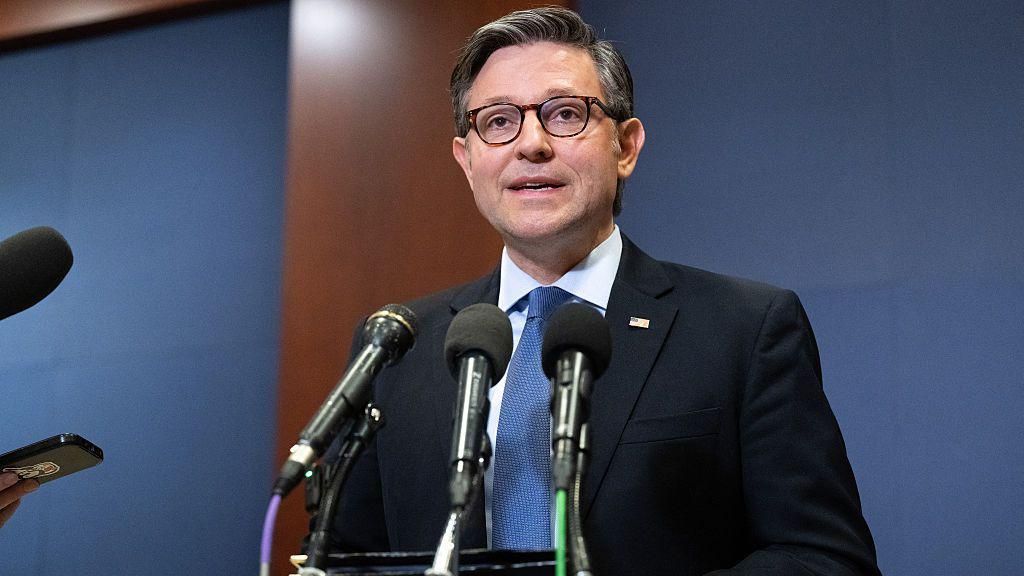
WASHINGTON — House Speaker Mike Johnson has declared he will not permit a vote to extend pandemic-era healthcare subsidies scheduled to expire December 31st, virtually guaranteeing insurance premium increases for millions of low-income Americans. The decision culminates a protracted legislative battle that previously triggered a 40-day government shutdown this autumn.
The subsidies, implemented as part of the Affordable Care Act (Obamacare) during the COVID-19 crisis, provide critical premium assistance to approximately 15 million Americans. Their expiration is projected to increase healthcare costs by an average of $1,200 annually per affected household.
Johnson defended his position by characterizing the $35 billion annual subsidies as a temporary COVID relief measure rather than a permanent entitlement. ‘We looked for a way to try to allow for that pressure release valve, and it just was not to be,’ the Speaker told journalists, emphasizing that any extension would require equivalent spending cuts elsewhere.
The political confrontation has exposed significant fractures within Republican ranks. Moderate House Republicans—particularly those facing competitive reelection bids in 2024—have voiced vehement opposition to the leadership’s stance. ‘I am pissed for the American people,’ declared Representative Mike Lawler (R-NY), noting that three-quarters of Obamacare recipients reside in states that voted for Donald Trump.
In a dramatic legislative maneuver, a bipartisan coalition is exploring a discharge petition that would force a floor vote without leadership approval. Democrats require just four Republican signatures to advance a clean three-year extension proposal. However, with Congress preparing to adjourn for the holiday recess, any resolution appears delayed until January at the earliest—well after the subsidies’ expiration date.
Even if the measure clears the House, it faces substantial obstacles in the Senate, where bipartisan support remains uncertain. The impasse occurs amid widespread public frustration over rising living costs, placing additional pressure on lawmakers to address healthcare affordability before midterm elections.