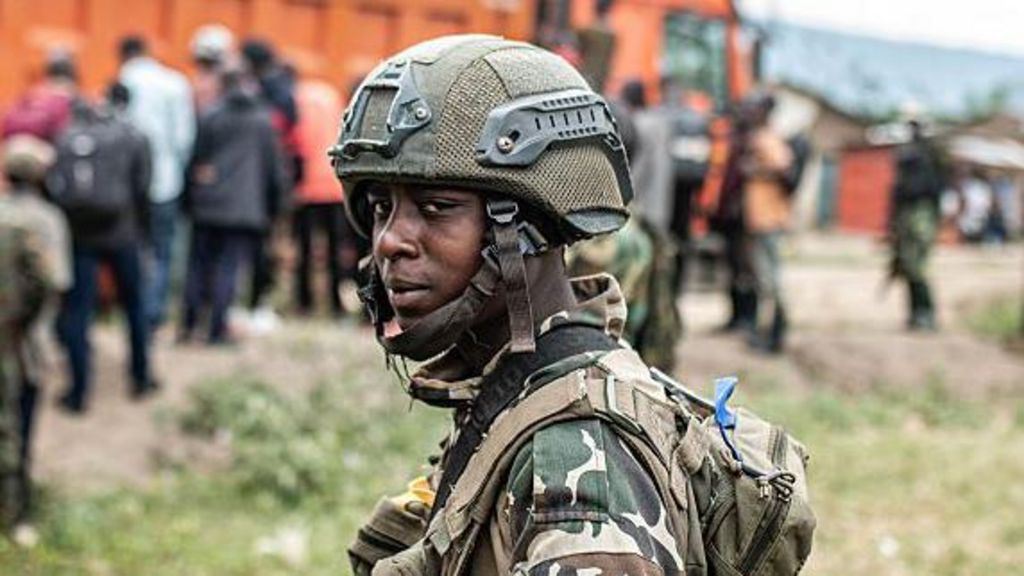
In a significant diplomatic development, rebel forces in the Eastern Democratic Republic of Congo have agreed to withdraw from the strategically vital city of Uvira following direct US intervention. Corneille Nangaa, coordinator of the rebel coalition Alliance Fleuve Congo (AFC), announced the pullout as a “trust-building measure” responding to American diplomatic pressure.
The decision comes days after US Secretary of State Marco Rubio declared that the rebel capture of Uvira violated existing peace agreements, warning that Washington would “take action to ensure promises made to President [Donald Trump] are kept.” The withdrawal commitment represents a notable victory for US diplomacy in the conflict-ridden region.
This development occurs against a complex geopolitical backdrop where the United States alleges Rwandan support for the rebels—a claim Rwanda consistently denies. Despite these tensions, Rwandan President Paul Kagame and Congolese counterpart Felix Tshisekedi signed a US-brokered peace accord on December 4th in Washington, which President Trump hailed as “historic” and “a great day for Africa.”
Meanwhile, the AFC coalition—which includes the powerful M23 rebel group—has been participating in a parallel peace process mediated by Qatar, a US ally with strong Rwandan ties. Nangaa emphasized that the withdrawal aims to give the Qatari-mediated negotiations the “maximum chance to succeed.”
The strategic significance of Uvira cannot be overstated. Located merely 27 kilometers from Burundi’s economic capital Bujumbura on Lake Tanganyika’s northern tip, its capture had dealt a severe blow to Congolese government forces and their Burundian military allies.
The conflict has created a severe humanitarian crisis, with approximately 200,000 people displaced since the latest fighting began early this month. UN reports indicate at least 74 fatalities, predominantly civilians, with 83 others hospitalized with combat injuries.
Eastern DR Congo has endured persistent conflict for over three decades, with numerous peace initiatives failing to achieve lasting stability. The Trump administration hopes its diplomatic efforts will not only pacify the region but also pave the way for increased US investment in the mineral-rich territory. The US State Department estimates $25 trillion in mineral reserves in DR Congo, including critical components for electronics, electric vehicles, and military hardware.
The rebels’ recent territorial advances began with capturing Goma, North Kivu’s capital, earlier this year, followed by Bukavu, South Kivu’s capital. The offensive on Uvira—the government’s last major stronghold in South Kivu—commenced days before Kagame and Tshisekedi traveled to Washington to ratify the June-negotiated agreement.
Nangaa did not specify a timeline for the withdrawal but called for deploying a “neutral force” to monitor ceasefires and prevent government forces from reclaiming lost territories.