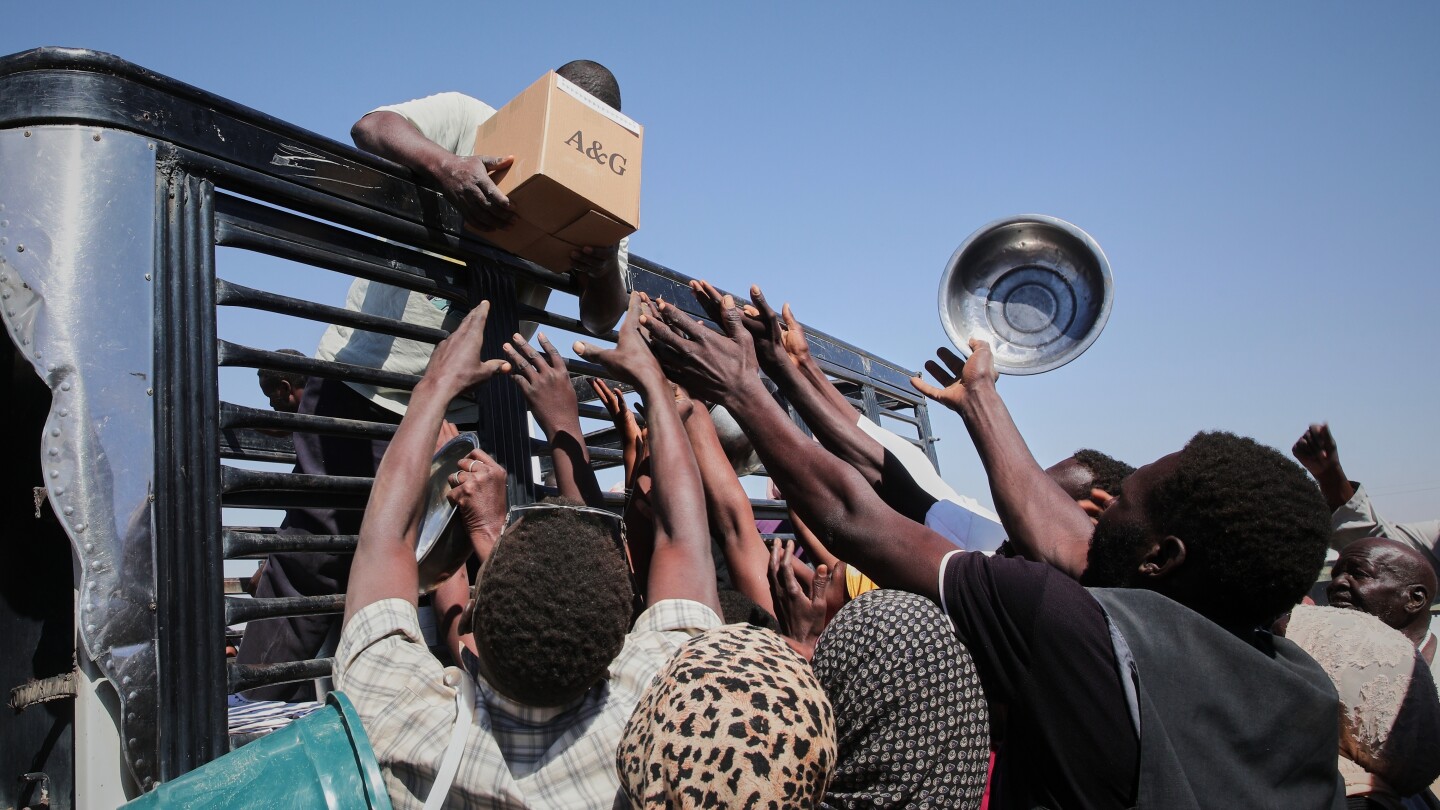
For an unprecedented third consecutive year, Sudan has been identified as the world’s most severe humanitarian crisis in the International Rescue Committee’s annual Emergency Watchlist. The devastating conflict that erupted in April 2023 between the Sudanese military and paramilitary Rapid Support Forces has created what the IRC describes as the planet’s largest humanitarian catastrophe.
The comprehensive report, released Tuesday, highlights 20 nations representing just 12% of the global population yet accounting for 89% of those requiring humanitarian assistance. These countries collectively host 117 million displaced people, with projections indicating they will contain over half of the world’s extremely impoverished by 2029.
IRC President David Miliband characterized the escalating global crises as a ‘New World Disorder’ that has supplanted the post-WWII international framework previously grounded in rules and rights. ‘This year’s Watchlist is a testament to misery but also a warning,’ Miliband stated. ‘The New World Disorder is here, and winds are picking up everywhere.’
The Sudanese conflict has resulted in more than 40,000 documented fatalities according to UN figures, though aid organizations caution the actual death toll likely far exceeds this number. The violence has displaced over 14 million people while facilitating widespread disease outbreaks and famine conditions across various regions.
The watchlist ranked occupied Palestinian territories and South Sudan as the second and third most severe crises respectively, followed by Ethiopia, Haiti, Democratic Republic of Congo, Lebanon, Ukraine, Syria, and Yemen. The IRC attributes many conflicts to power struggles and profit motives, noting that warring parties in Sudan and their international supporters continue benefiting from gold trade despite devastating civilian impacts.
Recent atrocities in Darfur’s el-Fasher city, where RSF fighters allegedly conducted house-to-house killings and sexual assaults, have drawn condemnation from UN human rights officials. Satellite analysis from Yale’s Humanitarian Research Lab appears to show systematic mass killings and evidence destruction campaigns following the paramilitary’s capture of the city.
The report calls for binding international actions including suspension of UN Security Council veto power during mass atrocities, alongside increased humanitarian funding which has decreased by 50% this year despite escalating needs.