A groundbreaking investigation by Yale University’s Humanitarian Research Lab (HRL) has exposed the Sudanese paramilitary Rapid Support Forces’ (RSF) systematic campaign to conceal evidence of mass atrocities in the captured city of el-Fasher. Satellite imagery analysis reveals the RSF has been disposing of tens of thousands of bodies through coordinated burial and burning operations following their October seizure of the strategic Darfur stronghold.
The RSF’s capture of el-Fasher after an 18-month siege marked a pivotal military victory, driving Sudan’s regular army from its final foothold in the vast western region. However, this triumph came amid widespread reports of executions and crimes against humanity that drew international condemnation. The HRL report details how the paramilitary group ‘engaged in a systematic multi-week campaign to destroy evidence of its widespread mass killings,’ with satellite evidence showing continuing patterns of body disposal and destruction.
The conflict between the RSF and Sudan’s regular army, erupting in April 2023 from a power struggle, has created what the United Nations describes as the world’s worst humanitarian disaster. Satellite evidence from November indicates severely limited civilian activity in el-Fasher since its capture, while imagery analysis identifies over 80 body clusters outside city limits—evidence that the RSF targeted civilians attempting to flee.
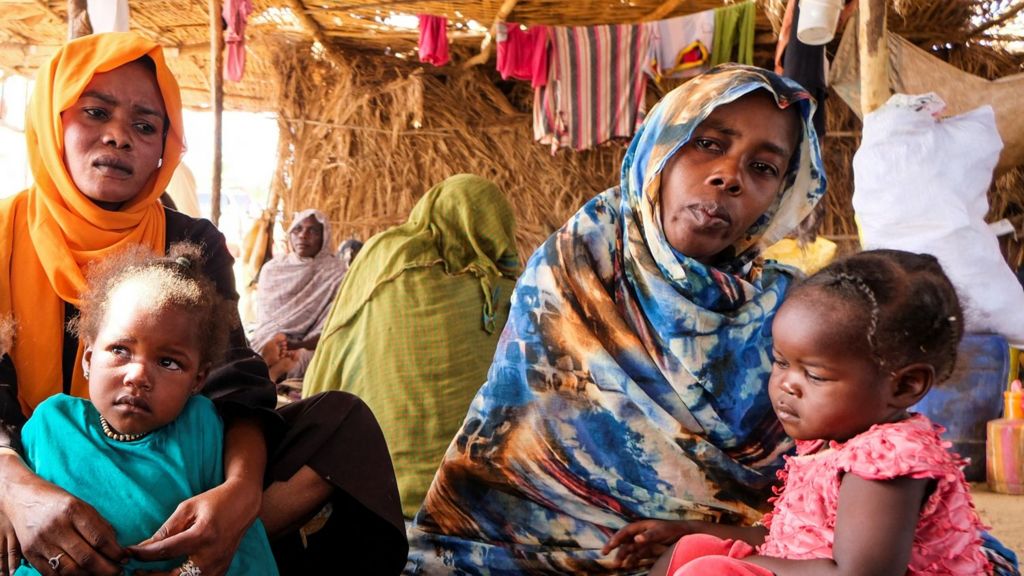
Despite RSF leader Gen Mohamed Hamdan Dagalo announcing an investigation into alleged violations by his forces, the group continues to deny widespread allegations of ethnically motivated killings targeting non-Arab populations. Humanitarian agencies report alarmingly low numbers of successfully evacuated civilians, with approximately 250,000 people believed trapped in the city and fewer than half reaching displacement camps.
The RSF has utilized its el-Fasher victory to consolidate power in western Sudan, establishing a parallel government in Darfur’s city of Nyala while the regular army maintains control over most of the country. The ongoing conflict has displaced over 13 million people since April 2023, creating one of the most severe humanitarian crises of modern times.