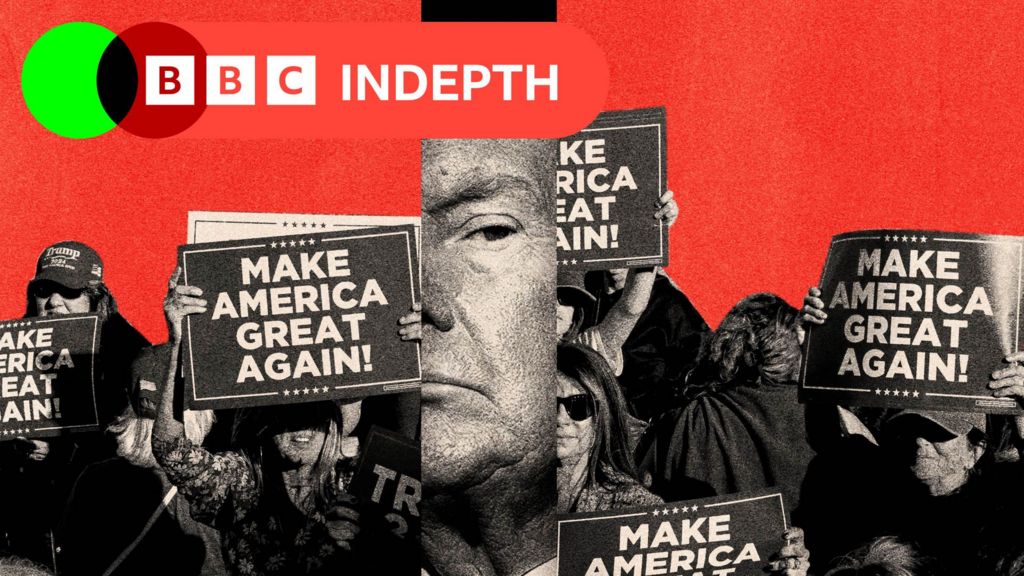
A profound transformation is underway within the Republican Party as potential successors to former President Donald Trump begin positioning themselves to inherit the Make America Great Again (MAGA) movement. During a recent White House cabinet meeting, Trump openly speculated about his political heirs, suggesting multiple contenders sat around the table despite constitutional term limits preventing his own future presidential runs.
The MAGA coalition, which returned Trump to power in 2024, now shows signs of strain as internal fractures emerge. Recent Republican electoral setbacks have revealed vulnerabilities among minority and working-class voters crucial to Trump’s victories. Notable defections include Congresswoman Marjorie Taylor Greene, who has publicly criticized Trump for losing touch with his base.
Three prominent figures have emerged as potential standard-bearers for the post-Trump era: Vice President JD Vance, widely considered the heir apparent favored by Trump’s family and Silicon Valley libertarians; Secretary of State Marco Rubio, who has undergone a remarkable transformation embracing Trump’s America First agenda; and Secretary of Health Robert F. Kennedy Jr., whose vaccine skepticism has disrupted federal health bureaucracy.
A comprehensive survey by the Manhattan Institute reveals the complex composition of Trump’s coalition. While 65% are ‘core Republicans’ who have supported party nominees since at least 2016, 29% are ‘new entrant Republicans’—younger, more diverse, and holding views that frequently break with traditional conservative orthodoxy. These new entrants show concerning tendencies, with over half believing political violence is sometimes justified and demonstrating greater tolerance for racist or antisemitic speech.
The challenges facing Trump’s successors extend beyond demographic shifts. Recent months have witnessed high-profile fractures within the movement, including conflicts over Middle East policy, economic approaches featuring tariff disputes with former ally Elon Musk, and internal conservative battles over extremist figures like Holocaust denier Nick Fuentes.
Despite these challenges, Trump’s impact on the Republican Party appears foundational rather than temporary. His movement builds upon decades of populist strains in American politics, from Barry Goldwater’s 1964 campaign to the Tea Party protests. As one analyst noted, ‘The Trump movement is here to stay and there’s no real likelihood of the old establishment returning with any sort of clout.’ The struggle to control this transformed political landscape will define Republican politics for years to come.