Japan and the United Arab Emirates are poised to elevate their bilateral relations to unprecedented heights as they approach the finalization of a Comprehensive Economic Partnership Agreement (CEPA). This groundbreaking pact represents a strategic evolution from traditional energy-based cooperation to a multifaceted economic alliance encompassing technology, clean energy, and innovation.
The impending agreement aligns with the UAE’s ambitious target of achieving $1.1 trillion in foreign trade by 2031 while supporting Japan’s economic diversification objectives. By eliminating trade barriers and enhancing market access, the CEPA is expected to generate substantial opportunities across multiple sectors, potentially driving bilateral non-oil trade beyond Dh200 billion.
Diplomatic engagement has intensified through the Comprehensive Strategic Partnership Initiative (CSPI), with both nations recently concluding their third subcommittee meeting in Tokyo. UAE Minister of Foreign Trade Dr. Thani bin Ahmed Al Zeyoudi confirmed that negotiations with Japan and the EU have reached advanced stages, signaling strong momentum toward finalization.
Jun Imanishi, Consul-General of Japan in Dubai, emphasized the agreement’s significance: “The Japan-UAE Economic Partnership Agreement serves as crucial framework for enhancing our economic ties and unlocking new collaborative potentials.”
Economic analysts identify several promising sectors for deepened cooperation, including hydrogen energy, artificial intelligence, robotics, and logistics. The partnership builds upon existing strong trade foundations—the UAE remains Japan’s primary Arab trading partner—while leveraging cultural connections through anime, arts, and growing tourism exchanges.
Investment flows are expanding bilaterally, with Japan targeting ¥120 trillion in direct foreign investment by 2030. Nobuyuki Nakajima of JETRO Dubai noted: “UAE investors are increasingly attracted to Japan’s stable, innovation-driven economy, particularly in digital transformation, green growth, and healthcare innovation—sectors that mirror Emirati diversification goals.”
The relationship has evolved significantly since its energy-focused beginnings in the 1970s. Today, collaboration extends into space exploration—exemplified by Japan’s launch of the UAE’s ‘Hope Probe’ and ‘KhalifaSat’—along with advanced technology, financial services, and cultural exchange.
Tourism represents another growing dimension, with Japan National Tourism Organization reporting anticipated doubling of GCC visitors compared to pre-pandemic levels. Executive Director Daisuke Kobayashi highlighted efforts to promote Japan’s rural destinations, distributing tourist traffic while supporting sustainable development.
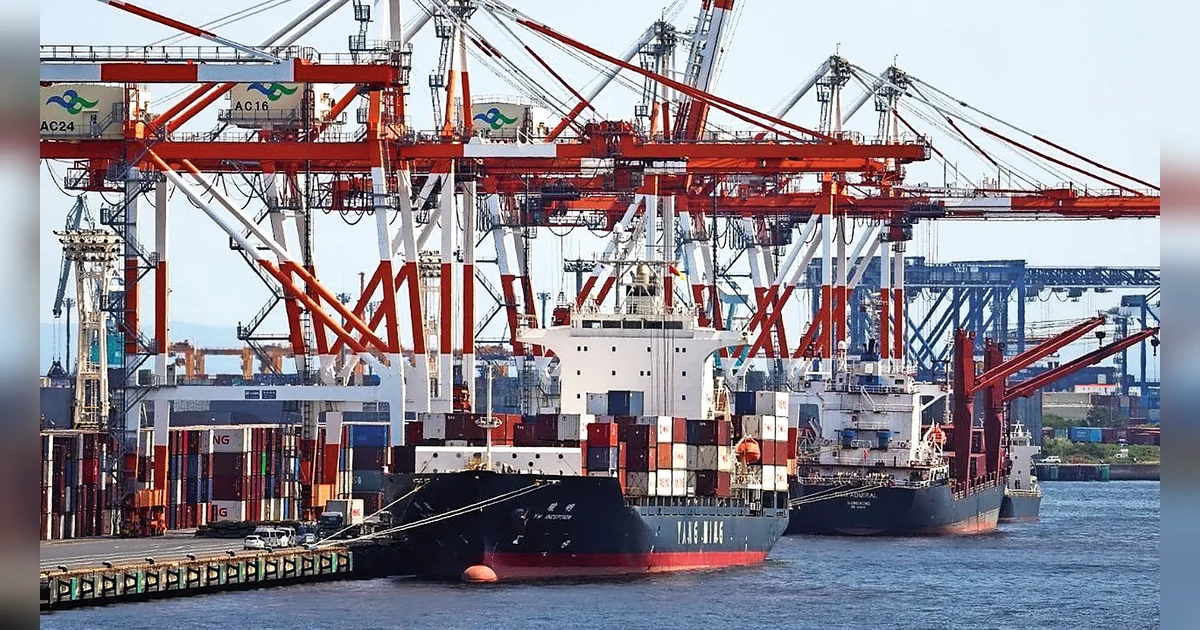
Despite global economic volatility and yen fluctuations, bilateral trade has demonstrated remarkable resilience. Recent data reveals Japan’s exports to the UAE grew 24.8% year-on-year to ¥177 billion by September 2025, primarily driven by automobiles and commodities. Although imports declined 8.83% to ¥385 billion due to reduced raw aluminum and petroleum gas shipments, the overall trade relationship has expanded at an annualized rate of 33.2% over five years.
The impending CEPA ratification establishes Japan and the UAE as a model of strategic international cooperation—anchored in shared values, mutual respect, and a common vision for sustainable economic transformation that benefits both nations and the global economy.