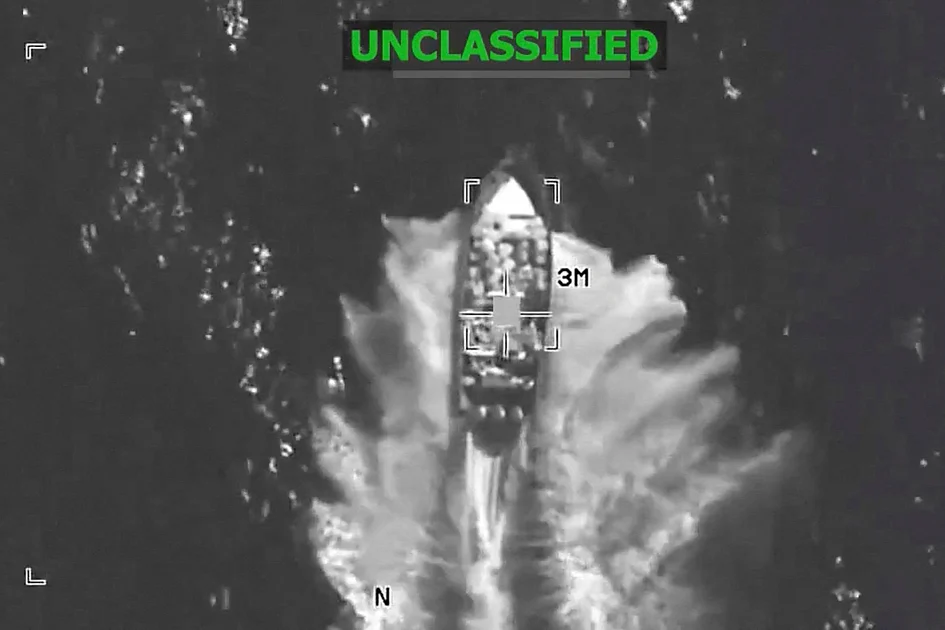
In a significant escalation of anti-narcotics operations, the United States Southern Command confirmed conducting military strikes on three vessels in international waters of the Eastern Pacific on Monday, resulting in eight fatalities. According to military authorities, intelligence assessments indicated the targeted vessels were traversing established narco-trafficking corridors and actively participating in illicit drug transportation.
This operation forms part of a broader military campaign initiated by the Trump administration against drug smuggling networks originating from the Venezuela region. To date, U.S. forces have targeted over 20 vessels across both the Pacific Ocean and Caribbean Sea, resulting in approximately 90 suspected drug traffickers killed during these engagements.
The tactical approach represents a substantial departure from traditional U.S. counter-narcotics protocols, which typically emphasized law enforcement cooperation and judicial processes rather than direct military engagement. This shift has prompted scrutiny from legal experts who question the operations’ compliance with international law, with some characterizing the actions as extrajudicial killings.
Pentagon Press Secretary Kingsley Wilson recently defended the legality of these operations, stating, ‘Our operations in the Southcom region are lawful under both U.S. and international law, with all actions in compliance with the Law of Armed Conflict.’
Analysts view these maritime strikes as potentially preceding more extensive ground operations against Venezuela, which President Trump has indicated may commence imminently. The developments mark a notable intensification in the administration’s approach to combating drug trafficking networks in the Western Hemisphere.