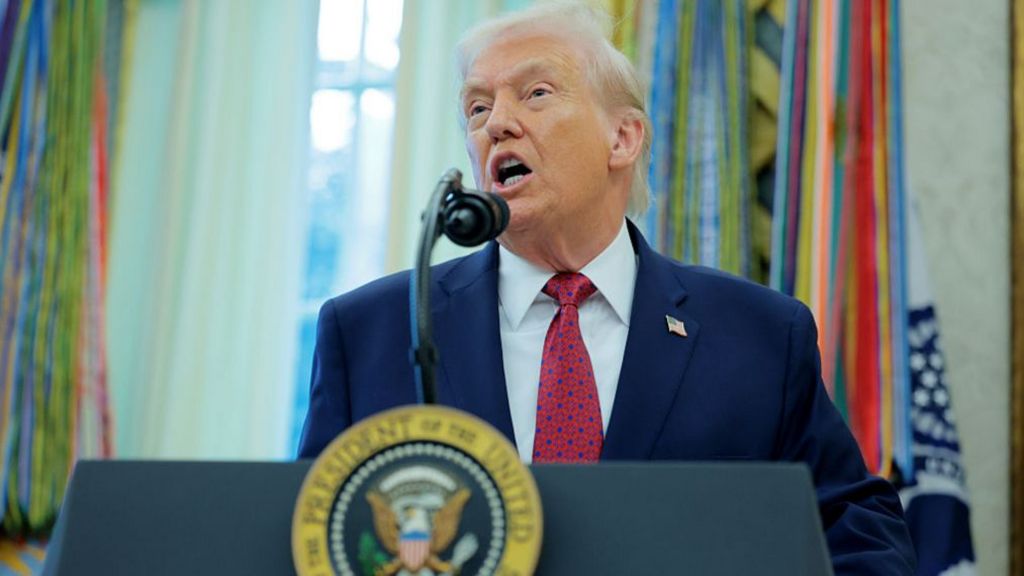
Former U.S. President Donald Trump has initiated a high-stakes legal battle against the British Broadcasting Corporation (BBC), filing a defamation lawsuit in Florida federal court. The lawsuit centers on the broadcaster’s editing of Trump’s January 6, 2021 address in a Panorama documentary, which Trump alleges deliberately misrepresented his statements to suggest he incited violence.
The legal filing asserts two distinct claims: one for defamation and another for violation of trade practices laws, with Trump seeking $5 billion in damages for each count, totaling $10 billion. The former president’s legal team contends the BBC “intentionally, maliciously, and deceptively doctored” his speech with specific editorial decisions that created false implications about his conduct preceding the Capitol riot.
While the BBC issued an apology in November 2023 acknowledging the edited sequence had created “the mistaken impression” that Trump had directly called for violent action, the broadcaster has firmly rejected compensation demands and any legal basis for the defamation claim. The controversial documentary aired in the United Kingdom shortly before the 2024 U.S. presidential election, timing that Trump’s legal team suggests was strategically motivated.
In public statements last month, Trump characterized the editing as deliberate deception, telling reporters: “They cheated. They changed the words coming out of my mouth.” The original speech contained the phrases “We’re going to walk down to the Capitol, and we’re going to cheer on our brave senators and congressmen and women” and, approximately 50 minutes later, “And we fight. We fight like hell.” The Panorama program edited these segments to appear consecutively, creating the impression of immediate incitement.
The BBC has not yet issued a formal response to the specific lawsuit filing, which represents one of the largest defamation claims ever brought against a media organization. This case intersects significant legal questions about media editing practices, political speech protection, and international jurisdiction in defamation cases involving foreign media entities and U.S. political figures.