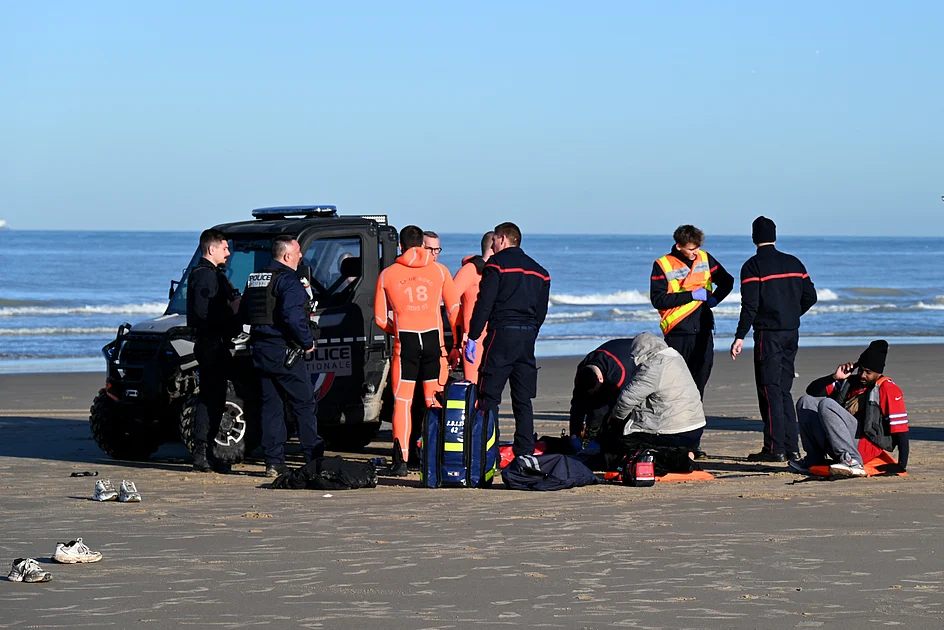
A significant resurgence of migrant crossings occurred on December 13th as 737 individuals successfully traversed the English Channel in small vessels, according to official figures released by the UK Interior Ministry. This movement ended a notable 28-day hiatus in arrivals—the longest interruption in seven years—primarily attributed to adverse weather conditions preventing maritime travel.
The latest influx involved eleven separate boats making the perilous journey from northern France to England’s southern coastline. With this arrival, the cumulative total of migrants reaching UK shores via small boats throughout 2025 has now reached 40,029 persons. This figure positions the current year to potentially become the second-highest annual arrival period since systematic record-keeping began in 2018.
These Channel crossings have evolved into a contentious political issue within the United Kingdom, significantly influencing domestic politics. The anti-immigration Reform Party, under the leadership of Nigel Farage, has capitalized on public concern regarding migrant arrivals. Opinion polling throughout much of the year has consistently shown Reform maintaining double-digit advantages over Prime Minister Keir Starmer’s Labour Party, indicating the substantial political impact of migration patterns.
The cyclical nature of crossings—directly correlated with maritime weather conditions—demonstrates the persistent challenge facing border enforcement authorities. Despite heightened surveillance and enforcement measures, the fundamental dynamics of migration patterns continue to be heavily influenced by environmental factors beyond governmental control.