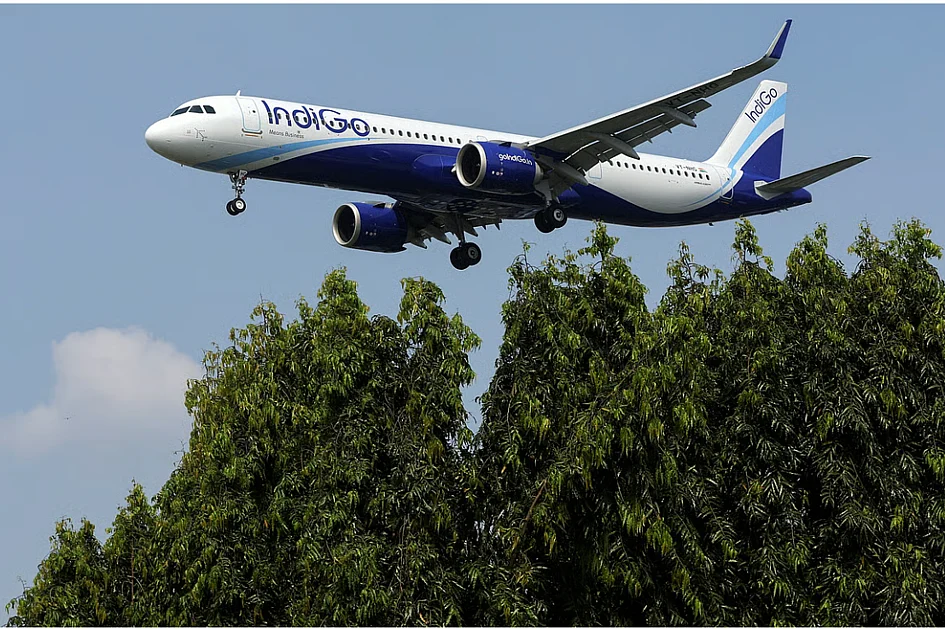
Severe fog conditions combined with hazardous smog levels have crippled aviation operations across northern India, forcing IndiGo Airlines to implement widespread flight cancellations and significant delays. The budget carrier confirmed Monday that prolonged low visibility during morning hours has severely impacted air traffic movement at Delhi International Airport and multiple regional facilities.
In an official statement released on social media platform X, IndiGo explained that selective cancellations were necessary to maintain operational safety throughout the remainder of the day. The airline has activated comprehensive passenger communication protocols, utilizing WhatsApp and email notifications to inform affected travelers about available rebooking options and full refund procedures.
‘We recognize the substantial inconvenience caused by weather-related disruptions, particularly during peak travel periods, and deeply regret any impact on passenger itineraries,’ the airline expressed in their communiqué. Travelers have been advised to continuously monitor flight status updates through official digital channels while airport teams work to restore normal operations as visibility conditions improve.
Meteorological experts note that while winter fog occurs naturally, Delhi’s critically poor air quality has dramatically intensified the phenomenon. The capital region recorded its worst air quality readings of the season on December 14th, with the Central Pollution Control Board reporting index values exceeding 450 at multiple monitoring stations—categorizing air conditions as ‘severe.’
This environmental crisis prompted India’s Commission for Air Quality Management to implement Stage Four restrictions—the highest emergency level under the Graded Response Action Plan. These measures include prohibiting older diesel vehicles from entering the city, suspending all construction activities, and implementing hybrid education models.
The Delhi metropolitan area, home to approximately 30 million residents, experiences annual winter smog episodes as atmospheric conditions trap emissions from vehicles, construction projects, and agricultural burning practices. Health authorities have issued advisories recommending vulnerable populations, including children and individuals with respiratory conditions, to minimize outdoor exposure and utilize protective masks when necessary.