CAPE TOWN, South Africa — In a significant policy shift, South Africa’s communications ministry has amended regulations that previously mandated foreign-owned satellite internet providers to sell 30% of their local equity to historically disadvantaged groups. The directive, issued Friday by Communications Minister Solly Malatsi, introduces alternative compliance mechanisms through ‘equity equivalent’ programs.
The revised framework allows international companies like Elon Musk’s Starlink to obtain operating licenses by investing in skills development initiatives and other empowerment programs rather than direct ownership transfers. This regulatory adjustment addresses longstanding criticisms that South Africa’s Broad-Based Black Economic Empowerment (B-BBEE) policies created barriers to foreign investment.
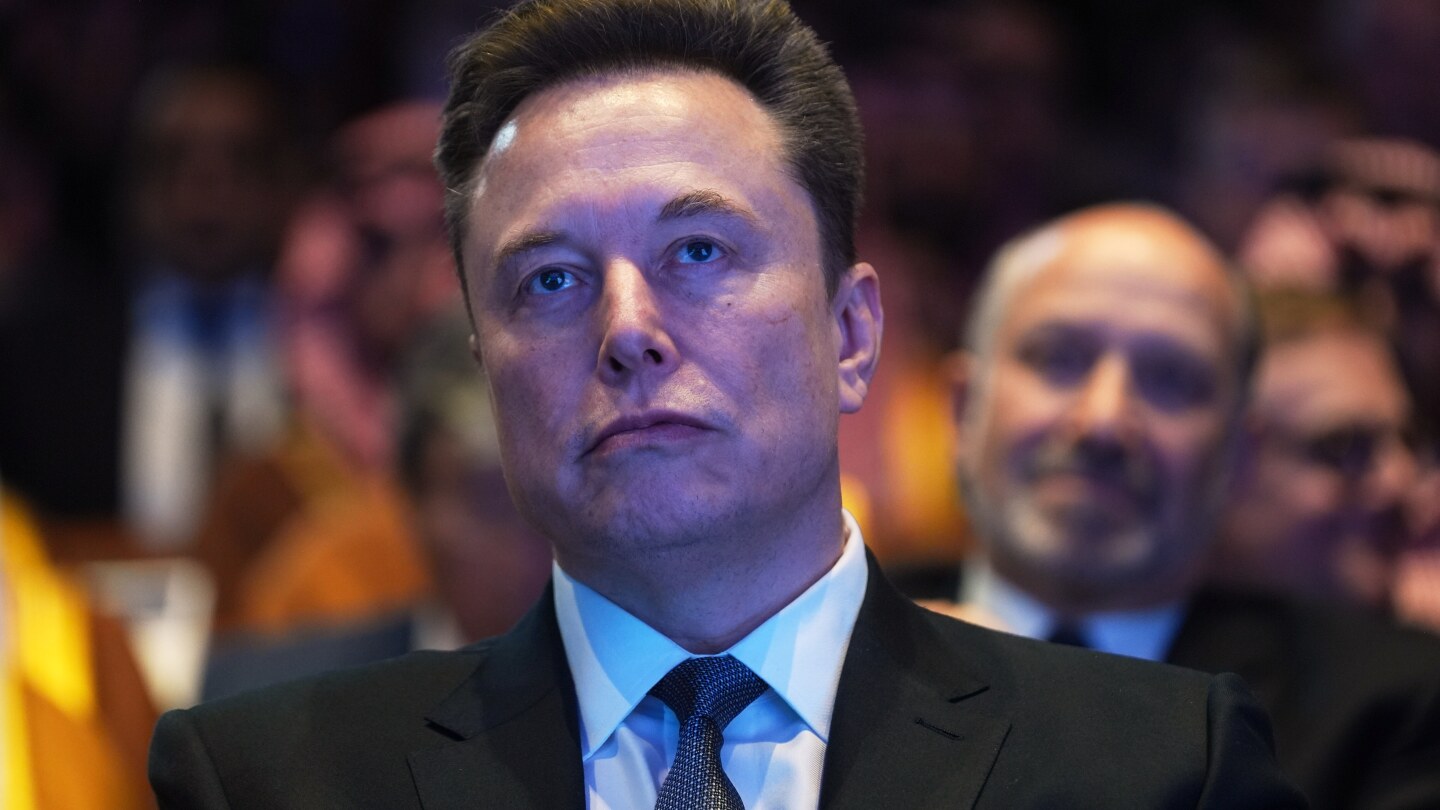
Musk, who was born in South Africa, had previously condemned the requirements as ‘openly racist ownership laws’ after Starlink faced licensing obstacles. The billionaire entrepreneur had asserted that his companies were being excluded due to racial ownership mandates designed to redress apartheid-era inequalities.
The policy revision acknowledges that satellite internet services could significantly accelerate high-speed connectivity for rural and underserved communities. Starlink, a subsidiary of SpaceX, already operates in numerous African nations surrounding South Africa, utilizing low-orbit satellite technology to provide internet access.
Minister Malatsi’s directive aligns with existing provisions available to foreign enterprises across other economic sectors, maintaining the government’s commitment to empowerment while potentially stimulating technological advancement and digital inclusion.