UVIRA, Democratic Republic of Congo — A palpable atmosphere of apprehension grips the strategic eastern Congolese city of Uvira following its recent capture by the Rwanda-backed M23 rebel faction, marking a significant escalation in regional hostilities despite a recently mediated Washington peace agreement.
The Associated Press obtained exclusive access to the city, which represented the final major governmental stronghold in South Kivu province after February’s fall of Bukavu. This strategic victory enables M23 to solidify an extensive corridor of influence throughout eastern Congo.
Regional authorities confirm the rebel offensive, initiated earlier this month, has resulted in approximately 400 casualties and displaced nearly 200,000 civilians. As of Saturday, Uvira remained paralyzed by tension—commercial banks shuttered, vehicular traffic nonexistent except for military patrols, and residents fearful of venturing outdoors after nightfall amid armed rebel patrols.
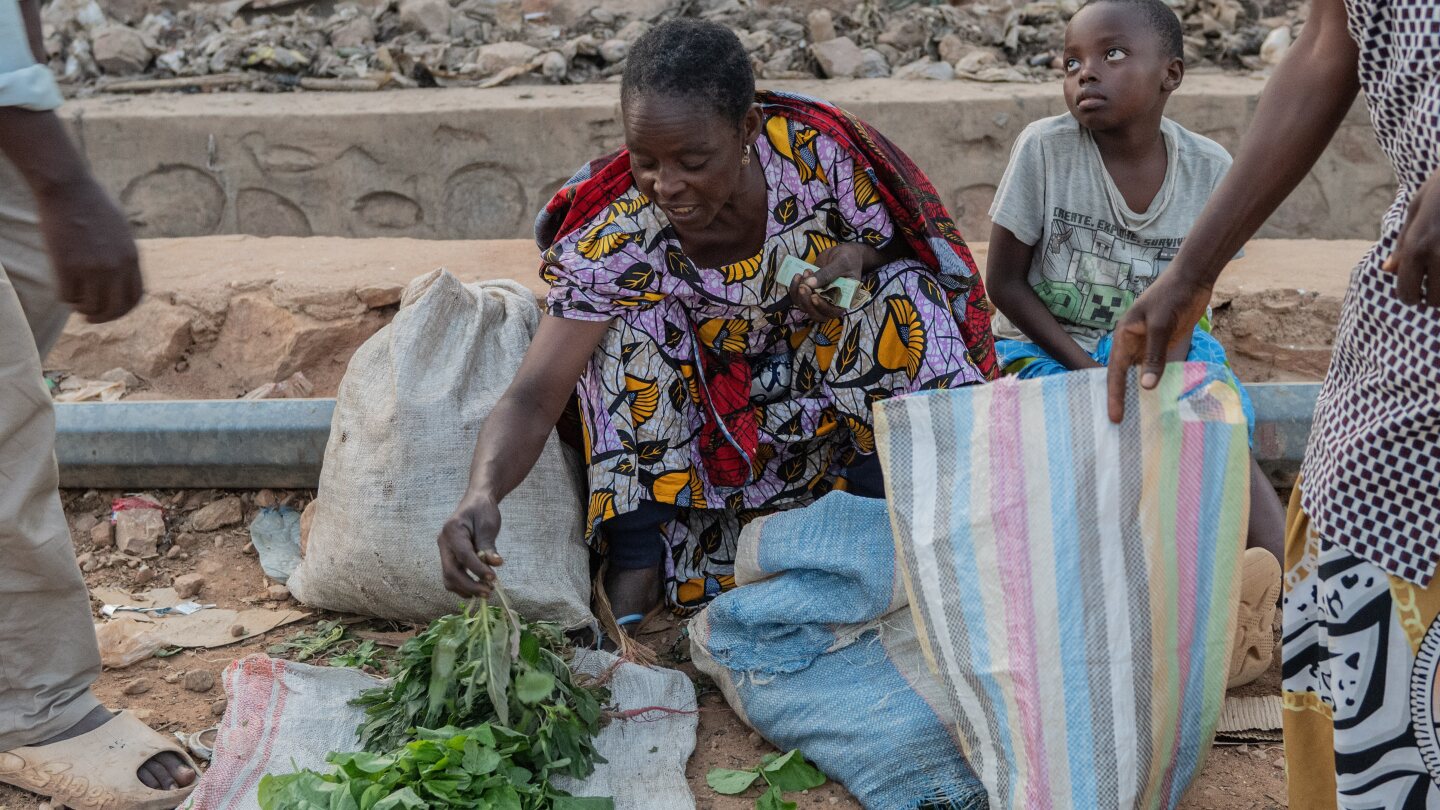
Local resident Maria Esther, a 45-year-old mother of ten, described the stagnant economic conditions: “While some fled, we remained. But normalcy hasn’t returned—we cannot resume our livelihoods without monetary circulation.” Another inhabitant, Joli Bulambo, expressed relief that the casualty count remained lower than initially feared.
This military advancement occurs despite the Washington Accords brokered by the United States and signed by Congolese and Rwandan leadership. U.S. Secretary of State Marco Rubio publicly condemned Rwanda’s alleged violation of the agreement through continued support of M23 operations, promising consequential actions against deal “spoilers.”
The conflict’s expansion toward Burundi’s border raises concerns about potential regional spillover, with reports of artillery shells landing in Burundian territory. Eastern Congo’s mineral-rich territories host over 100 armed groups, with M23 experiencing dramatic growth from hundreds to approximately 6,500 combatants since 2021 according to UN estimates.
Diplomatic tensions intensified as Congolese Foreign Minister Thérèse Kayikwamba Wagner accused Rwanda of undermining the peace process, urging UN sanctions and restrictions on Rwandan mineral exports and peacekeeping contributions. Meanwhile, M23 deputy coordinator Bertrand Bisimwa claimed ceasefire agreements remain “theoretical” without practical implementation.
Rwandan officials counter-accused Congo of declaring intentions to continue fighting in M23-held territories, justifying rebel retaliation. While Rwanda denies supporting M23, it acknowledges maintaining military presence in eastern Congo for national security purposes, estimated by UN experts at up to 4,000 troops.