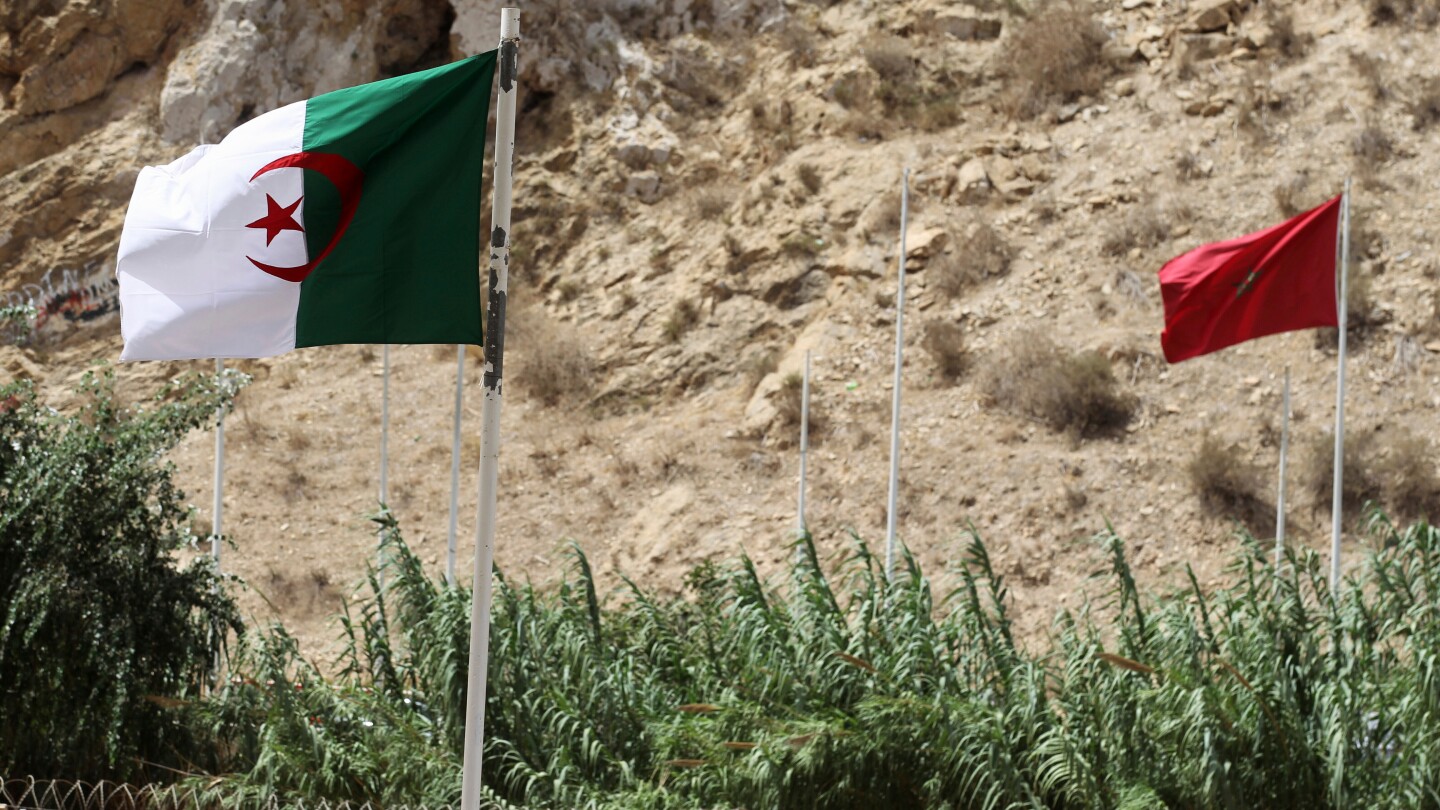
In a devastating incident highlighting the perils of irregular migration, nine African migrants perished from extreme cold exposure near Morocco’s mountainous border region with Algeria. The tragic discovery in Ras Asfour—a remote area known for its harsh winter conditions—has triggered significant concern among human rights organizations across North Africa.
The Moroccan Association of Human Rights confirmed the victims included seven men and two women from various sub-Saharan nations, with one individual identified as Guinean. According to their Saturday statement, “Their exhausted bodies could not withstand the plunging temperatures” that characterize this treacherous transit zone.
This tragedy occurs within the broader context of ongoing migration patterns where thousands annually attempt dangerous journeys from North Africa to European destinations. Many seek entry via Spain’s North African enclaves of Ceuta and Melilla through fence scaling or swimming, while others undertake the perilous Atlantic route to the Canary Islands.
The region has increasingly become a focal point for migration control efforts, with EU security agreements enhancing North African authorities’ capabilities to deter irregular movement. Many migrants spend months or years in informal employment sectors—including construction, agriculture, and domestic work—while awaiting crossing opportunities across the Mediterranean or Atlantic.
Human rights groups have responded forcefully to the incident. The Moroccan Organization of Human Rights has called for border humanization policies, decriminalization of irregular migration and residence, and establishment of mechanisms to track missing migrants. Meanwhile, six victims have been buried locally while two bodies were preserved for family identification purposes.
Morocco’s Interior Ministry has not yet issued official comments regarding the specific circumstances of these deaths, though the nation’s security forces regularly report intercepting migration attempts through this corridor.