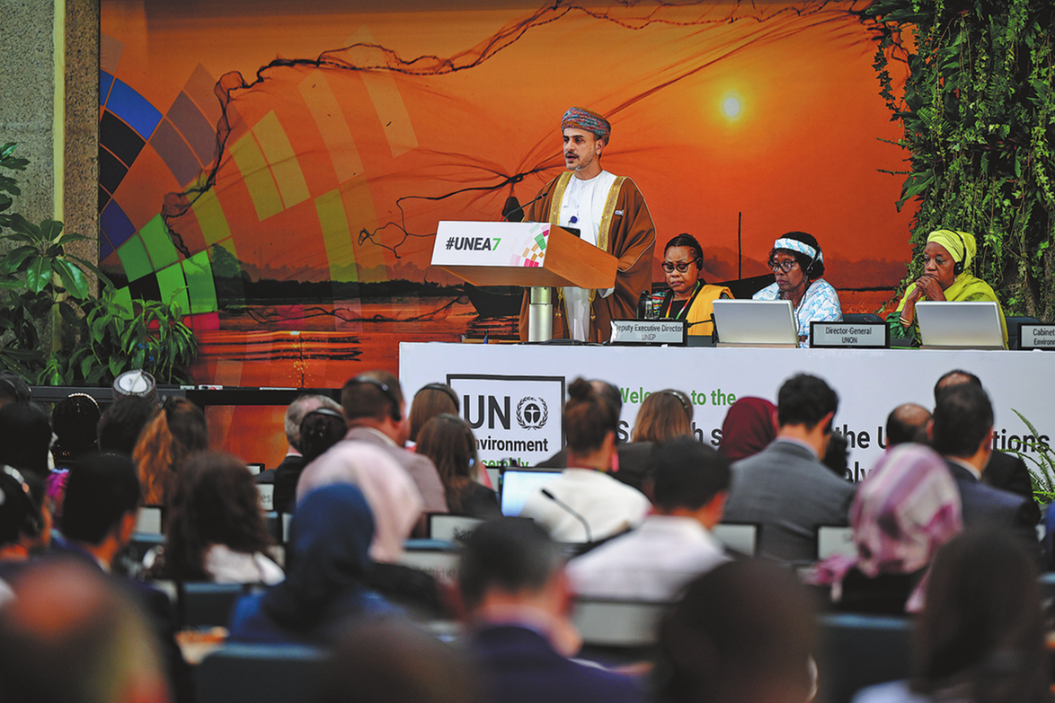
NAIROBI — International environmental leaders have converged at the seventh UN Environment Assembly (UNEA-7) in Kenya with a reinforced commitment to multilateral cooperation as the primary mechanism for addressing the planet’s escalating ecological crises. The assembly, gathering environment ministers, scientists, and civil society representatives, emphasized that only through legally binding global commitments and coordinated action can tangible progress be achieved against interconnected threats including climate change, biodiversity loss, and pollution.
UN Environment Programme Executive Director Inger Andersen opened the weeklong session by highlighting that multilateral environmental agreements recognize the borderless nature of environmental threats. “These challenges—from rising temperatures and ocean degradation to plastic pollution—do not respect national boundaries,” Andersen stated, stressing the need for improved coordination and implementation of existing agreements.
The assembly leadership, including President Abdullah Bin Ali Al-Amri of Oman’s Environment Authority, characterized the meeting as occurring at a decisive historical moment. “Communities worldwide continue to endure the intertwined impacts of climate change, biodiversity loss, and pollution—challenges testing not only our economies but the very trust in our collective will,” Al-Amri noted, emphasizing that success would depend on trust, transparency, and inclusiveness in negotiations.
Scientific warnings presented at the assembly underscored the urgency of action. Andersen revealed that global temperature increases will likely exceed the critical 1.5°C threshold within the next decade, bringing escalating consequences with each fractional degree increase. Simultaneously, ecosystems continue disappearing while toxins increasingly pollute air, water, and land resources worldwide.
Martin Krause, Director of UNEP’s Climate Change Division, called for dramatically accelerated emission reductions alongside increased investment in climate adaptation. “Partnerships across governments, private sector, academia and civil society are now crucial for translating high-level commitments into climate-resilient infrastructure and livelihoods,” Krause asserted during side events.
The assembly also spotlighted growing threats from sand and dust storms, which affect billions globally while carrying significant environmental and economic consequences. Jumaan Al-Qahtani of the World Meteorological Organization’s Dust Storm Regional Center described these phenomena as both cross-border challenges and potential ecological contributors when mineral dust fertilizes nutrient-poor ecosystems.
Delegates are negotiating 15 draft resolutions addressing diverse issues from glacier preservation and controlling massive seaweed blooms to reducing artificial intelligence’s environmental footprint. Although not legally binding themselves, these resolutions historically help establish common ground and pave the way for precedent-setting international agreements.