A landmark United Nations environmental assessment has been published without official governmental endorsement after the United States and several allied nations refused to approve its scientific conclusions. The Global Environment Outlook report, representing six years of collaborative research by nearly 300 international scientists, directly links climate change, biodiversity loss, and pollution to unsustainable consumption patterns in wealthy and emerging economies.
The comprehensive analysis warns of a “dire future” for millions worldwide without rapid transition from coal, oil, and gas infrastructure, coupled with substantial reductions in fossil fuel subsidies. The report emphasizes that current patterns of resource extraction across food production, clothing manufacturing, and energy consumption are fundamentally unsustainable.
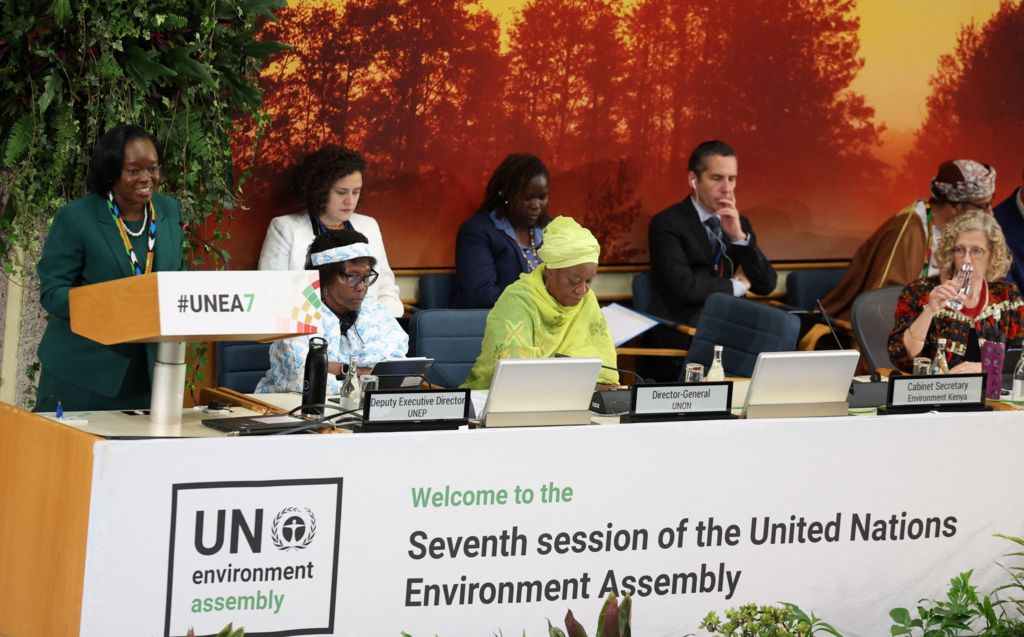
During what participants described as a “stormy” October meeting in Nairobi, political representatives from approximately 70 countries failed to reach consensus on the summary for policymakers—a critical component typically endorsed by governments to demonstrate commitment to implementing scientific recommendations. The United States, Saudi Arabia, and Russia emerged as primary opponents to the report’s strong language regarding fossil fuels and plastics.
Sir Robert Watson, the report’s co-chair and former IPCC chairman, told the BBC that “a small number of countries basically just hijacked the process.” He revealed that the US initially avoided the meeting entirely, joining only via teleconference at the final moment to declare disagreement with most of the report’s findings regarding climate change, biodiversity, and fossil fuels.
The absence of governmental approval significantly weakens the report’s potential impact, as these summaries traditionally serve as catalysts for policy action. Researchers note that this obstruction mirrors similar resistance demonstrated during recent COP30 climate negotiations and other international environmental discussions.
The Trump administration’s consistent pattern of challenging environmental science appears to underlie this opposition. Since taking office, the administration has actively promoted fossil fuel expansion, attempted to reverse carbon dioxide endangerment findings, and systematically opposed international efforts to address climate change through various multilateral organizations.
This development raises substantial concerns about future Intergovernmental Panel on Climate Change reports, which form the scientific foundation for global climate action. The unprecedented blockage of a major UN environmental assessment signals potential challenges for international cooperation on environmental protection moving forward.