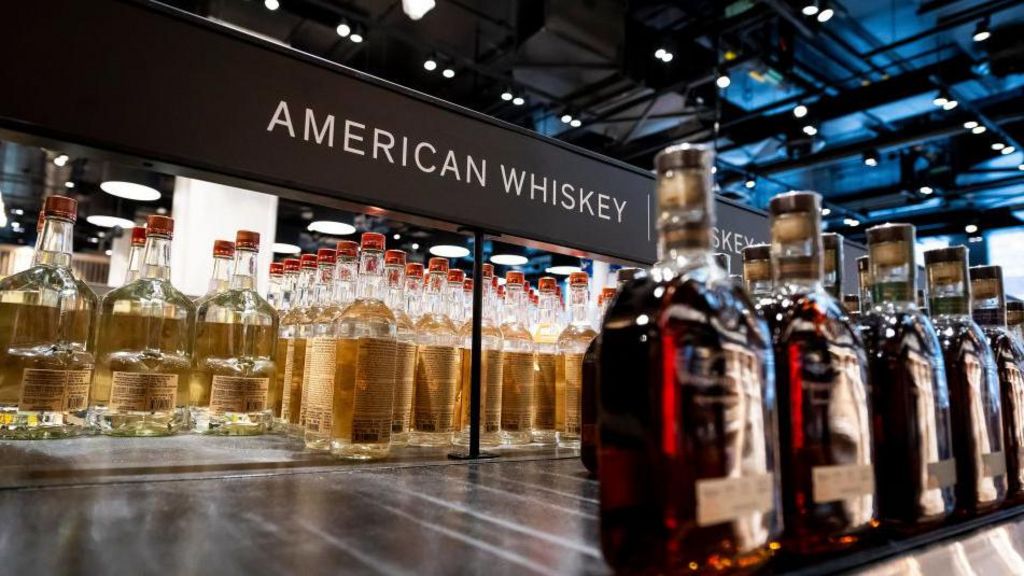
A substantial inventory of American alcohol worth millions of dollars remains stranded across Canadian provincial warehouses, creating an unprecedented logistical challenge following a nationwide boycott initiated in February. The trade protest against US tariffs has left provincial governments grappling with disposal strategies for premium spirits and wines, with only Alberta and Saskatchewan continuing normal sales of American products.
Ontario faces the most significant predicament with approximately C$80 million ($57.7 million) in shelved inventory, including products approaching expiration. Finance Minister Peter Bethlenfalvy confirmed the province will maintain its boycott until securing “a tariff-free deal or low-tariff deal” with the US, noting that less than C$2 million of their stockpile faces imminent expiration.
Several provinces have implemented charitable solutions for their surplus. Nova Scotia and Manitoba collectively committed to selling C$17.4 million worth of remaining inventory, with proceeds designated for local food banks and charitable organizations. Nova Scotia reported unusually strong sales since restocking shelves last week, with Kentucky bourbon emerging as the top-selling product.
Quebec initially contemplated destroying C$300,000 of expiring products but reversed course following public criticism, opting instead to donate soon-to-expire liquor to charity events and hospitality schools. British Columbia adopted an alternative approach, diverting its inventory to restaurants and bars rather than retail consumers.
The alcohol boycott originated in February as a retaliatory measure against Trump administration tariffs on Canadian metals, lumber, and automotive products. While most tariffs were exempted under existing trade agreements, sector-specific levies remained, triggering Canada’s coordinated response.
The economic impact has been substantial. The Distilled Spirits Council of the United States (DISCUS) reported an 85% decline in exports to Canada, describing the sales drop as “very troubling.” Council president Chris Swonger expressed hope that both nations would resolve trade concerns promptly, allowing American products to return to Canadian shelves.
US Ambassador to Canada Pete Hoekstra characterized the boycott as a significant irritant in bilateral relations, noting it contributed to the Trump administration’s characterization of Canada as “mean and nasty”—a remark that British Columbia Premier David Eby interpreted as evidence that provincial efforts were effectively capturing attention.