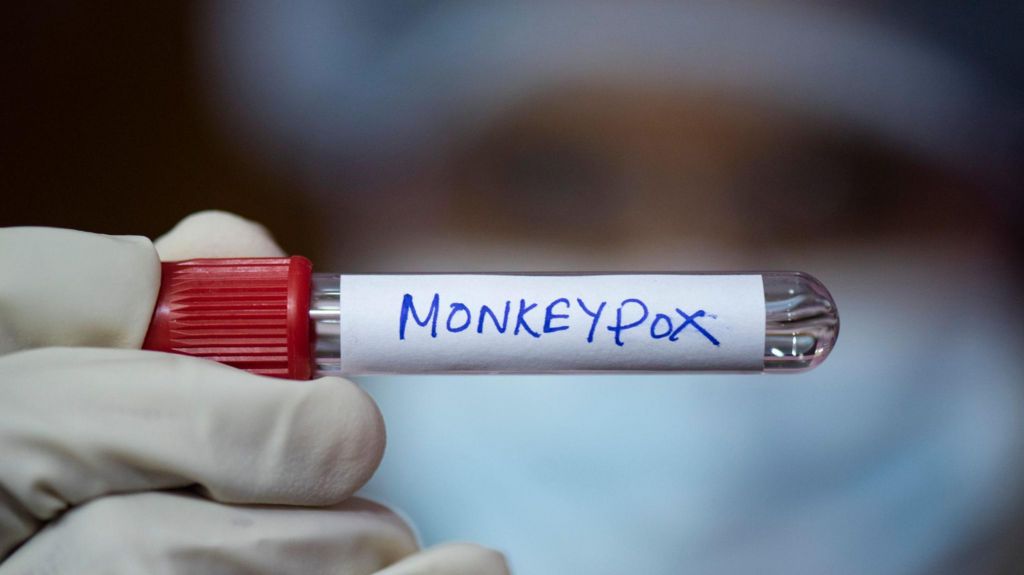
Health authorities in the United Kingdom have confirmed the detection of a previously unidentified recombinant mpox strain in an individual who recently returned from travel in Asia. The UK Health Security Agency (UKHSA) identified this novel viral variant as a genetic amalgamation of two distinct mpox clades—Ib and IIb—marking a significant development in the virus’s evolution.
The emergence of this hybrid strain occurs amidst ongoing global mpox transmission, with nearly 48,000 confirmed cases worldwide in 2025 alone, including approximately 2,500 reported in the past month, predominantly concentrated in central Africa. Health officials emphasize that viral evolution remains a natural phenomenon, though the specific implications of this recombinant strain require further assessment.
Vaccination continues to be the primary defense strategy against severe mpox manifestations, with current vaccines demonstrating 75-80% efficacy against known strains. While no specific studies have evaluated vaccine effectiveness against this new variant, health experts anticipate a substantial degree of cross-protection.
Dr. Katy Sinka, UKHSA’s head of sexually transmitted infections, highlighted the role of advanced genomic surveillance in detecting the strain: ‘Genomic testing has enabled this detection. While viral evolution is expected, comprehensive analysis will provide deeper insights into mpox’s transformation patterns.’
Professor Trudie Lang, Director of the Global Health Network at the University of Oxford, noted that this development underscores mpox’s continuous global circulation and adaptive evolution. She acknowledged the UK’s robust systems for case identification and infection control while expressing concern about vulnerable populations in regions with limited vaccine access and surveillance capabilities.
Health authorities maintain their recommendation for high-risk groups—including gay, bisexual, men who have sex with men, individuals with multiple sexual partners, and those attending sex-on-premises venues—to ensure vaccination status is current. The NHS advises anyone suspecting mpox infection to contact NHS 111 for immediate guidance.
Mpox transmission occurs through close physical contact, respiratory droplets, and contact with contaminated materials. Symptoms typically include skin lesions, rash, fever, and muscle aches, persisting for two to four weeks.