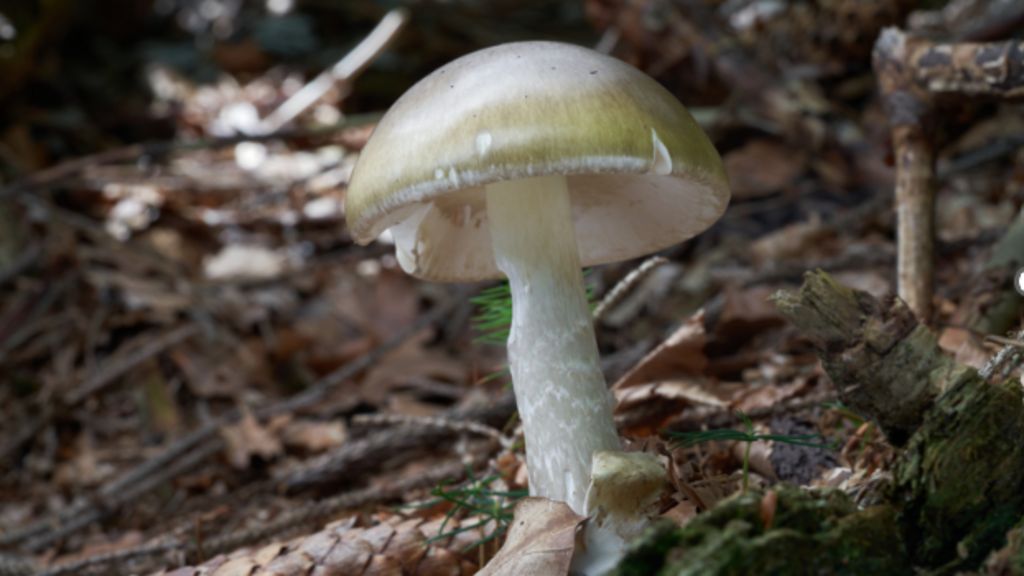
California health authorities have issued a critical public health advisory urging residents to strictly avoid foraging for wild mushrooms following a concerning cluster of severe poisonings across the state. The California Department of Public Health (CDPH) confirmed at least 21 cases of amatoxin poisoning linked to death cap mushroom consumption, resulting in multiple hospitalizations with severe liver damage and at least one fatality.
The poisoning incidents, concentrated in Northern California’s Monterey and San Francisco Bay areas between mid-November and early December, have affected both adults and children. Several victims suffered acute liver failure, with at least one patient potentially requiring emergency liver transplantation. Health officials emphasize that the current rainy season creates ideal growing conditions for these toxic fungi, particularly around oak and pine trees.
Death cap mushrooms (Amanita phalloides) pose exceptional danger due to their deceptive resemblance to edible varieties in appearance, scent, and taste. CDPH Director Dr. Erica Pan warned that these mushrooms ‘contain potentially deadly toxins that can lead to liver failure’ and stressed that no cooking method—including boiling, drying, freezing, or conventional preparation—can neutralize their toxicity.
Initial symptoms typically manifest within 6-24 hours of consumption and include violent gastrointestinal distress: watery diarrhea, persistent vomiting, abdominal cramping, nausea, and dehydration. While these symptoms may temporarily subside, potentially fatal liver damage can develop silently over the following week.
Monterey County Health Officer Dr. Edward Moreno emphasized that ‘only people with extensive training and experience should eat wild mushrooms that they have picked themselves.’ The CDPH maintains that the risk extends statewide despite current cluster locations, advising complete avoidance of wild mushroom consumption during this high-risk period.