In a significant development within the highly secretive East African nation of Eritrea, thirteen individuals who had been imprisoned for over eighteen years without facing trial have been unexpectedly released from the notorious Mai Serwa military detention facility. This information was confirmed to the BBC by multiple relatives of the former detainees.
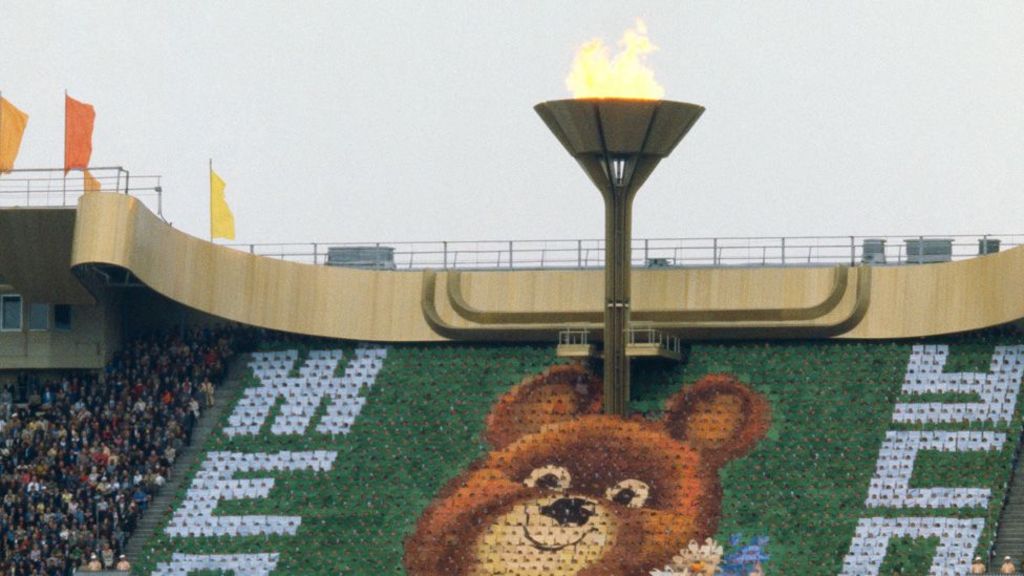
Among those freed is Zeragaber Gebrehiwot, a 69-year-old former Olympic cyclist and prominent businessman who represented Ethiopia (before Eritrean independence) at the 1980 Moscow Games. The group of released prisoners also includes several other distinguished figures: businessmen Tesfalem Mengsteab and Bekure Mebrahtu, engineer David Habtemariam, geometrist Matthews Habtemariam, six senior police officers, and an internal security agent.
Their initial arrest dates back to October 2007, following an assassination attempt on Colonel Simon Gebredingil, a high-ranking officer within President Isaias Afwerki’s internal security apparatus. A source, who was previously detained at Mai Serwa, revealed that approximately thirty people were originally taken into custody. While a handful have been released over the intervening years, around twenty remained in prolonged detention until this recent, unexplained release.
The Mai Serwa prison, situated northwest of the capital Asmara, is internationally condemned for its brutal conditions and is believed to house a significant number of political prisoners. Relatives reported that family visits were completely prohibited throughout the entire duration of the detainees’ incarceration. The advanced age and declining health of many prisoners is speculated to be a potential factor behind their sudden release, although the Eritrean government has issued no official statement or explanation.
This event casts a renewed spotlight on Eritrea’s deeply troubling human rights record. For decades, the United Nations and major human rights organizations like Amnesty International have consistently accused the government of systematic abuses, including torture, forced disappearances, and the inhumane imprisonment of tens of thousands of people. The country has been a one-party state under President Isaias’s unchallenged rule for 32 years, with no constitution, no free press, and no national elections ever held. It maintains one of the world’s most militarized societies through a policy of indefinite conscription.
The fate of many other detainees remains unknown, a stark reminder of which was the death in custody last year of Berhane Abrehe, a former finance minister imprisoned for six years after criticizing the president.