The Trump administration’s sweeping restructuring of the United States refugee admissions program has created a global humanitarian crisis, leaving approximately 600,000 applicants worldwide in a state of prolonged uncertainty. This policy shift, implemented immediately following President Trump’s inauguration, represents the most significant reduction in refugee resettlement in modern American history.
The administration reduced refugee admissions to a historic low of 7,500 for the current fiscal year, with the majority of slots allocated to white South Africans. This dramatic reduction came alongside stringent new vetting requirements implemented after an Afghan national became a suspect in the shooting of two National Guard members. The administration has justified these measures as necessary for national security and economic protection, announcing plans to review refugees admitted during the previous Biden administration.
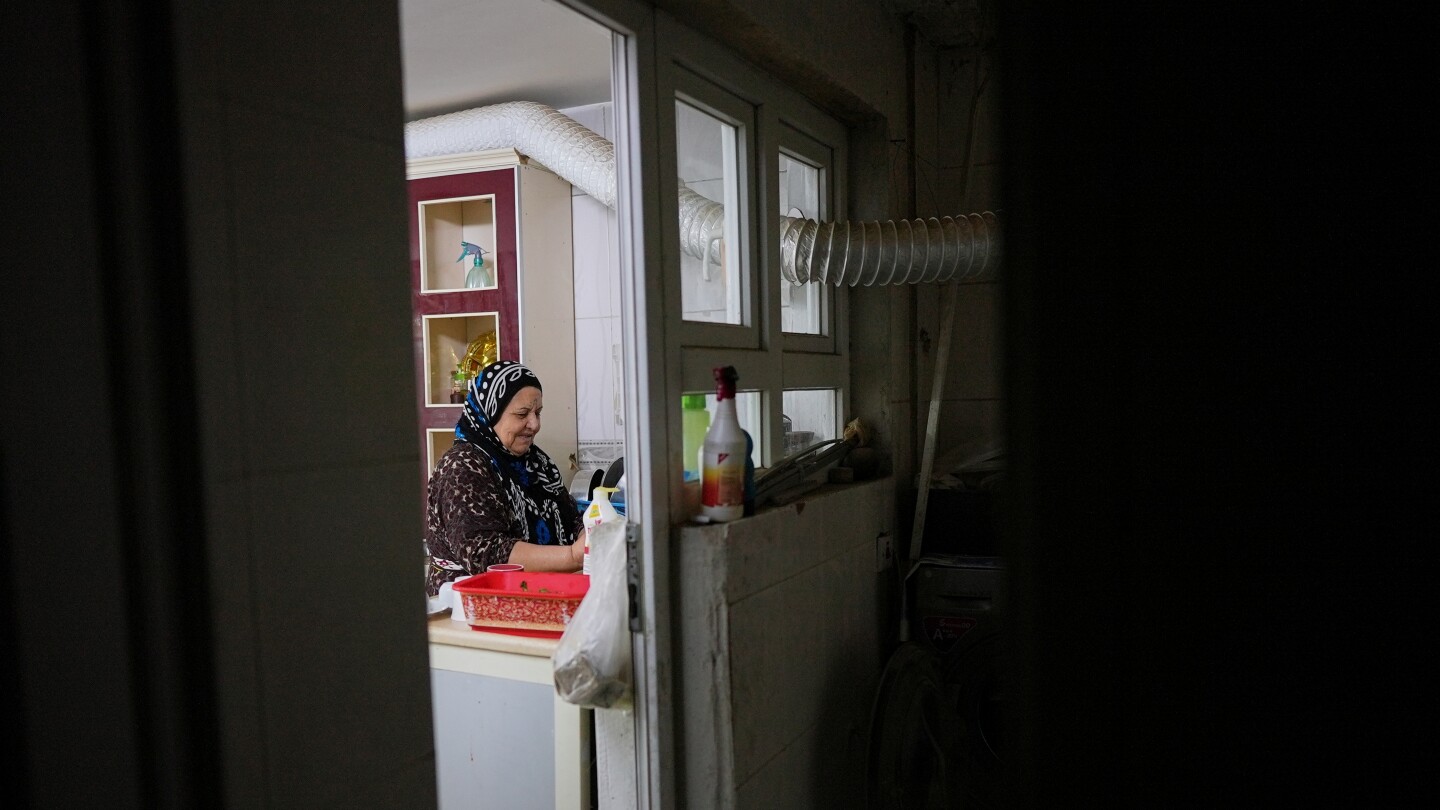
Three distinct cases illustrate the human impact of these policy changes. The Dawood family, Syrian refugees residing in Iraq, became separated when medical complications prevented parents from joining their children who had already resettled in Connecticut. Their family reunion, once imminent, now hangs in indefinite suspension.
Chinese Christian pastor Lu Taizhi, who fled religious persecution a decade ago, has seen his resettlement plans canceled multiple times despite official approval. Now living in precarious circumstances in Thailand, he expresses support for President Trump’s policies while awaiting resolution of his case.
Meanwhile, Louis, a Congolese refugee resettled in Kentucky, faces heartbreaking separation from his wife and two young children who remain in a Ugandan refugee camp. His family reunification petition has been frozen under the new policies, creating emotional and practical challenges for the divided family.
Refugee advocates have mounted legal challenges to the administration’s policies. Mevlüde Akay Alp, an attorney with the International Refugee Assistance Project, emphasized the importance of honoring America’s commitment to those who had received preliminary approval. ‘It’s crucial that we don’t abandon those families and thousands of others who were relying on the promise of coming here as refugees,’ Alp stated.
The policy changes have created a massive backlog in refugee processing while raising questions about America’s traditional role as a humanitarian leader. Administration officials maintain that the enhanced vetting procedures and reduced admissions are necessary security measures that prioritize American interests.