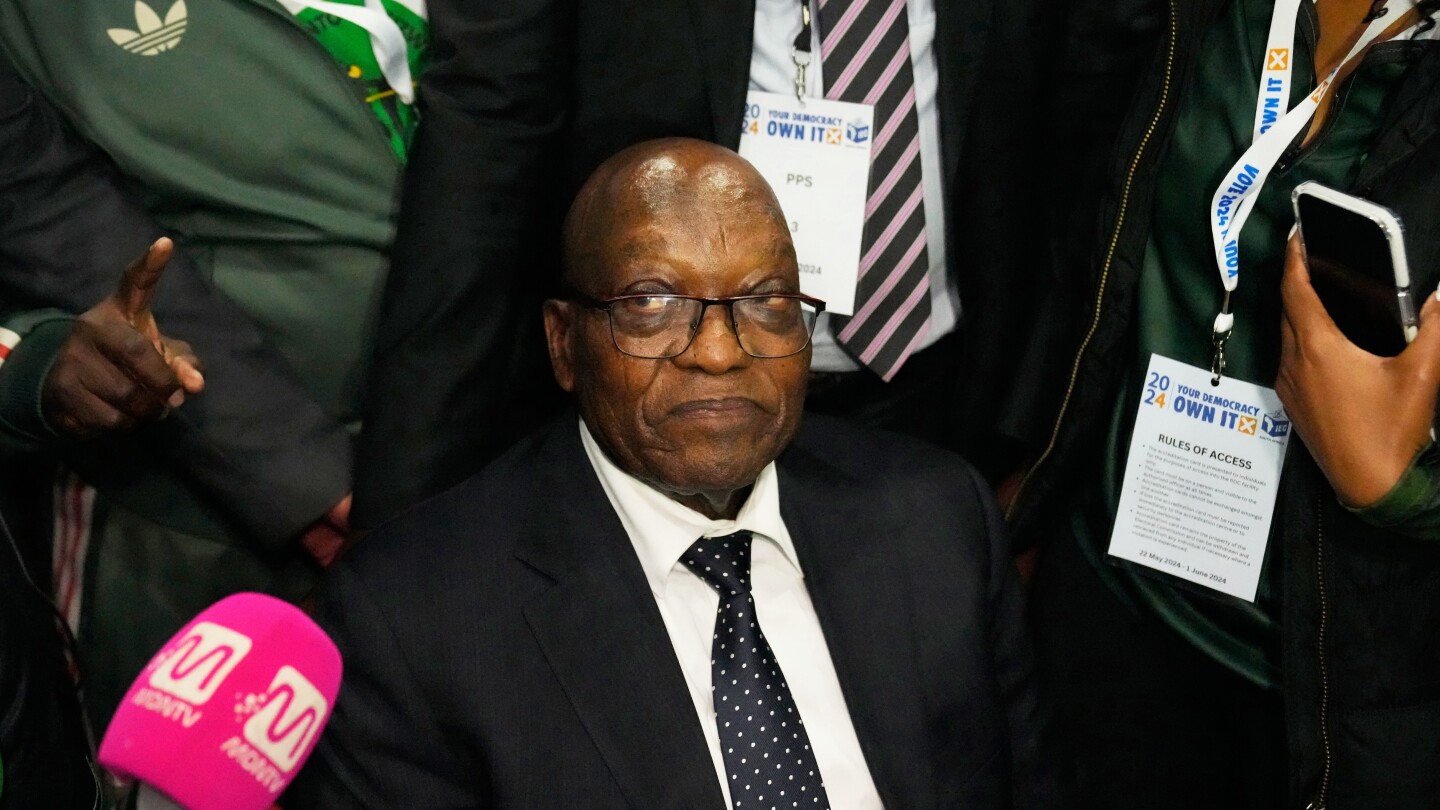
JOHANNESBURG — In a pivotal courtroom confrontation, former South African President Jacob Zuma and French defense conglomerate Thales appeared before the Pietermaritzburg High Court on Thursday seeking dismissal of corruption charges that have spanned nearly two decades. The 81-year-old liberation struggle icon, who presided over South Africa from 2008 to 2018, faces 18 counts of corruption, fraud, and money laundering tied to a controversial 1999 arms transaction.
Prosecution authorities presented a compelling argument before Judge Nkosinathi Emmanuel Chili, contending that Zuma and Thales have systematically exploited legal appeals to postpone trial proceedings for 18 years. Advocate Trengrove, representing the National Prosecuting Authority, revealed that the defense teams have collectively filed 12 separate interlocutory applications, all ultimately dismissed yet successfully delaying judicial resolution.
Zuma maintains his innocence, characterizing the prosecution as a politically motivated “witch hunt.” His legal team has raised multiple objections, including challenges to lead prosecutor Advocate Billy Downer’s impartiality and claims that the deaths of two key Thales executives—former directors Pierre Moynot and Alain Thetard—have compromised their ability to mount an effective defense.
The former president’s extensive legal troubles extend beyond this case. In 2021, he served a 15-month prison sentence for contempt of court after refusing to testify before the Zondo Commission investigating corruption allegations. Although released on medical parole, his freedom was temporarily jeopardized when the parole was declared unlawful. Most recently, Zuma was ordered to reimburse the state $1.6 million plus interest for illegally funded legal fees from his personal corruption defense—a judgment he continues to contest through appeals.
This week’s proceedings represent a critical juncture in one of South Africa’s most protracted legal battles, with prosecutors now seeking to prevent further delays and compel the case to trial.